
June 11 & 12, 2026
Atlanta, GA.

Our FIFTH annual Environmental Justice and Climate Protection Conference!
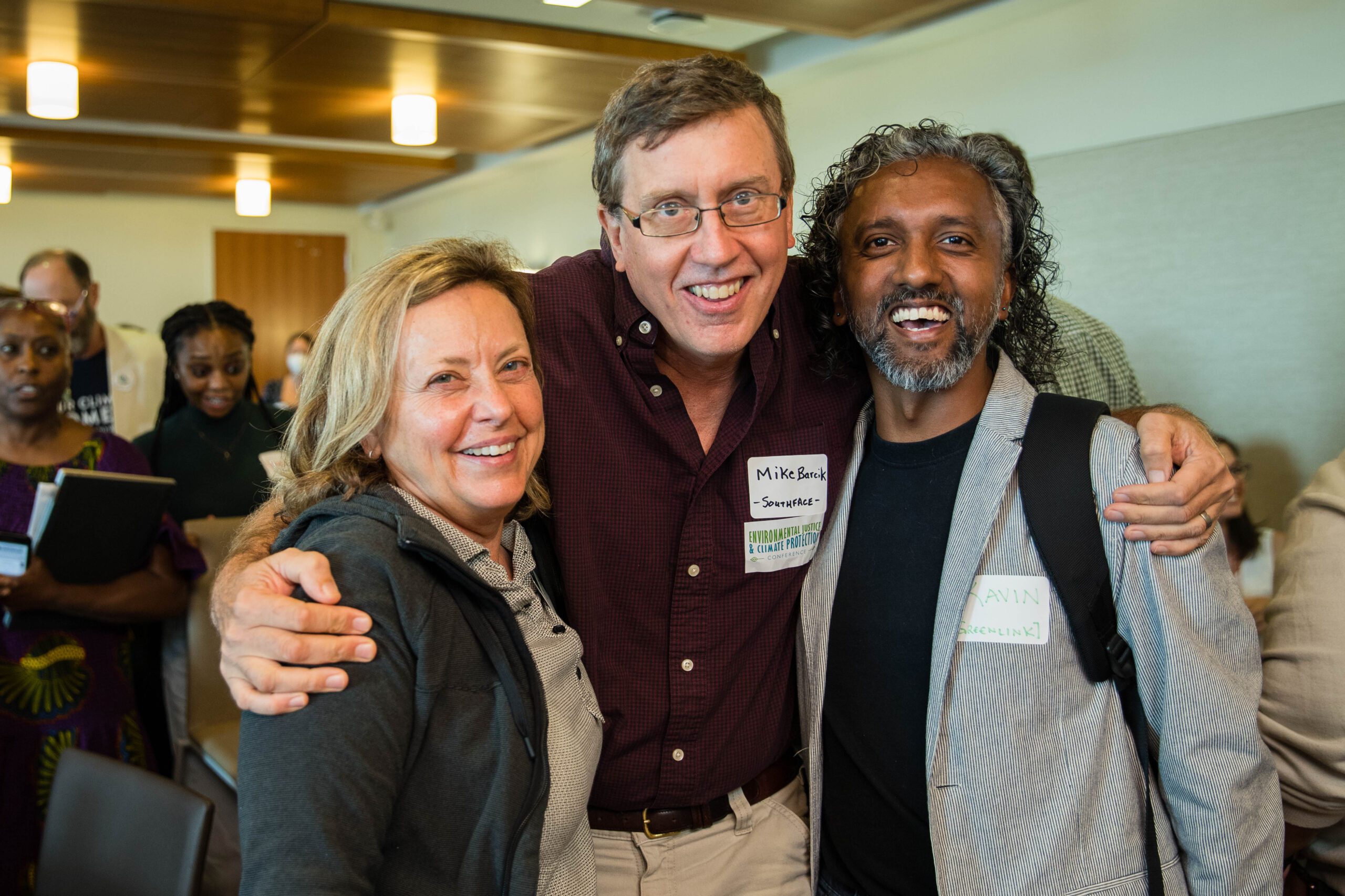
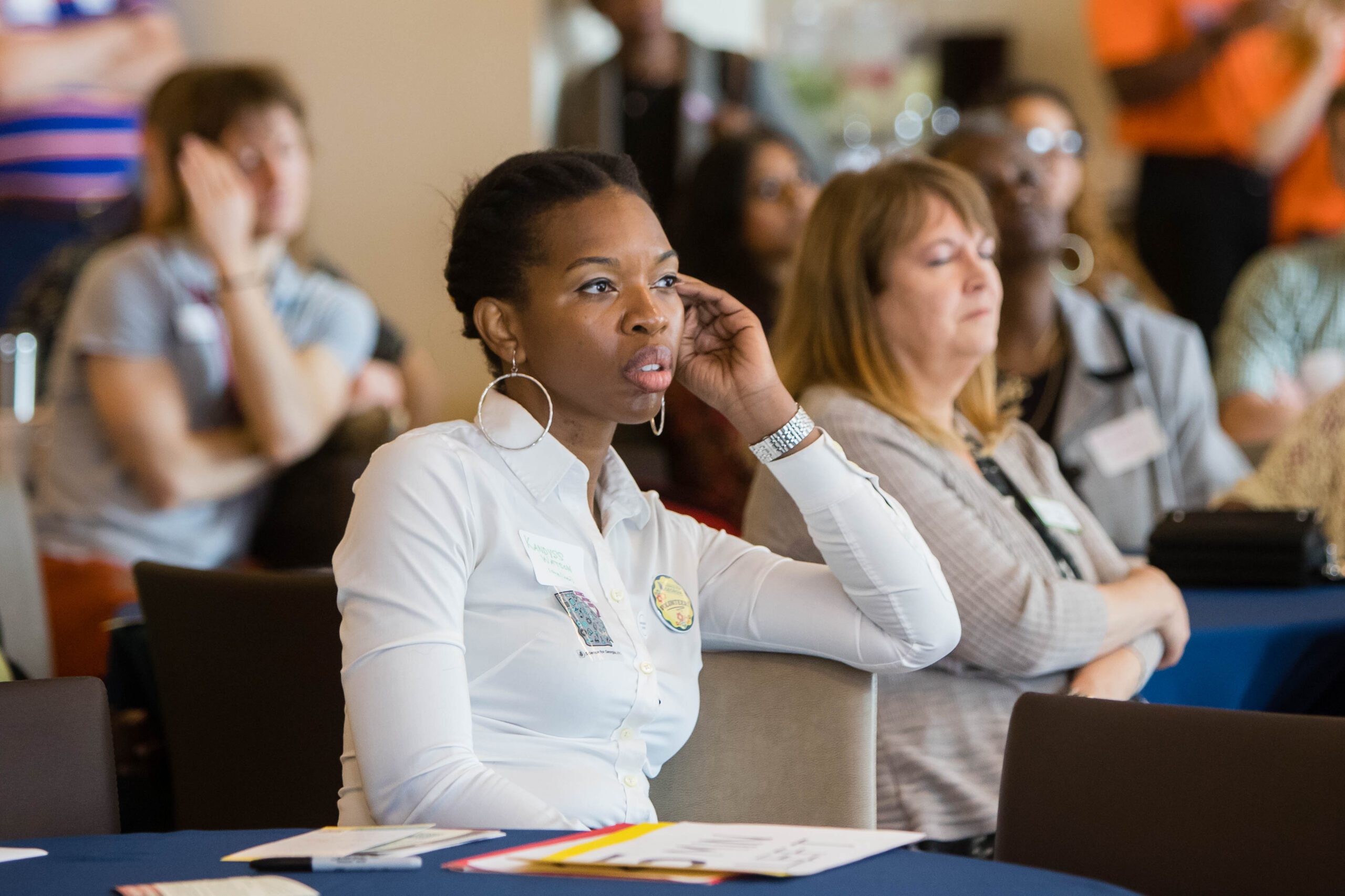
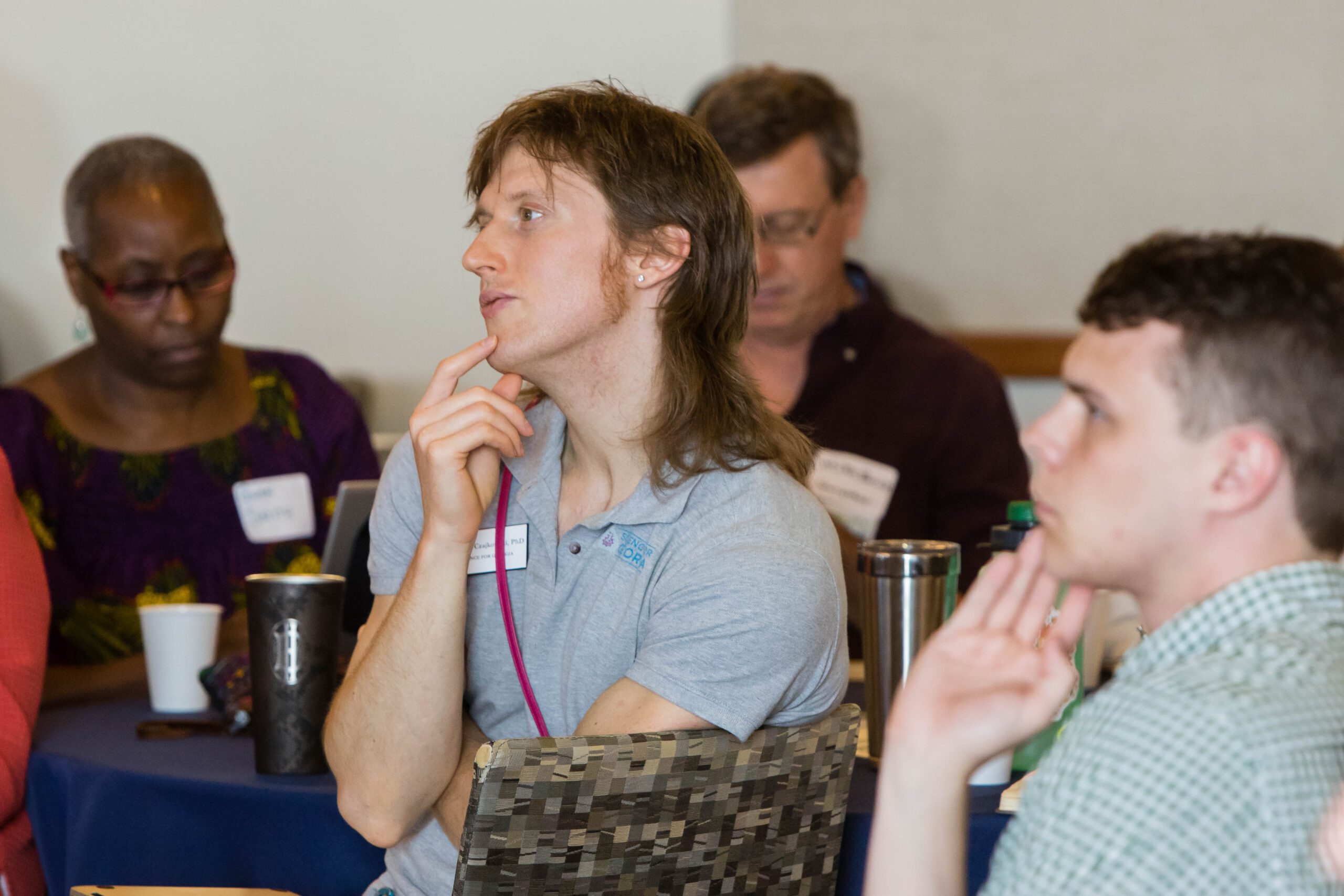
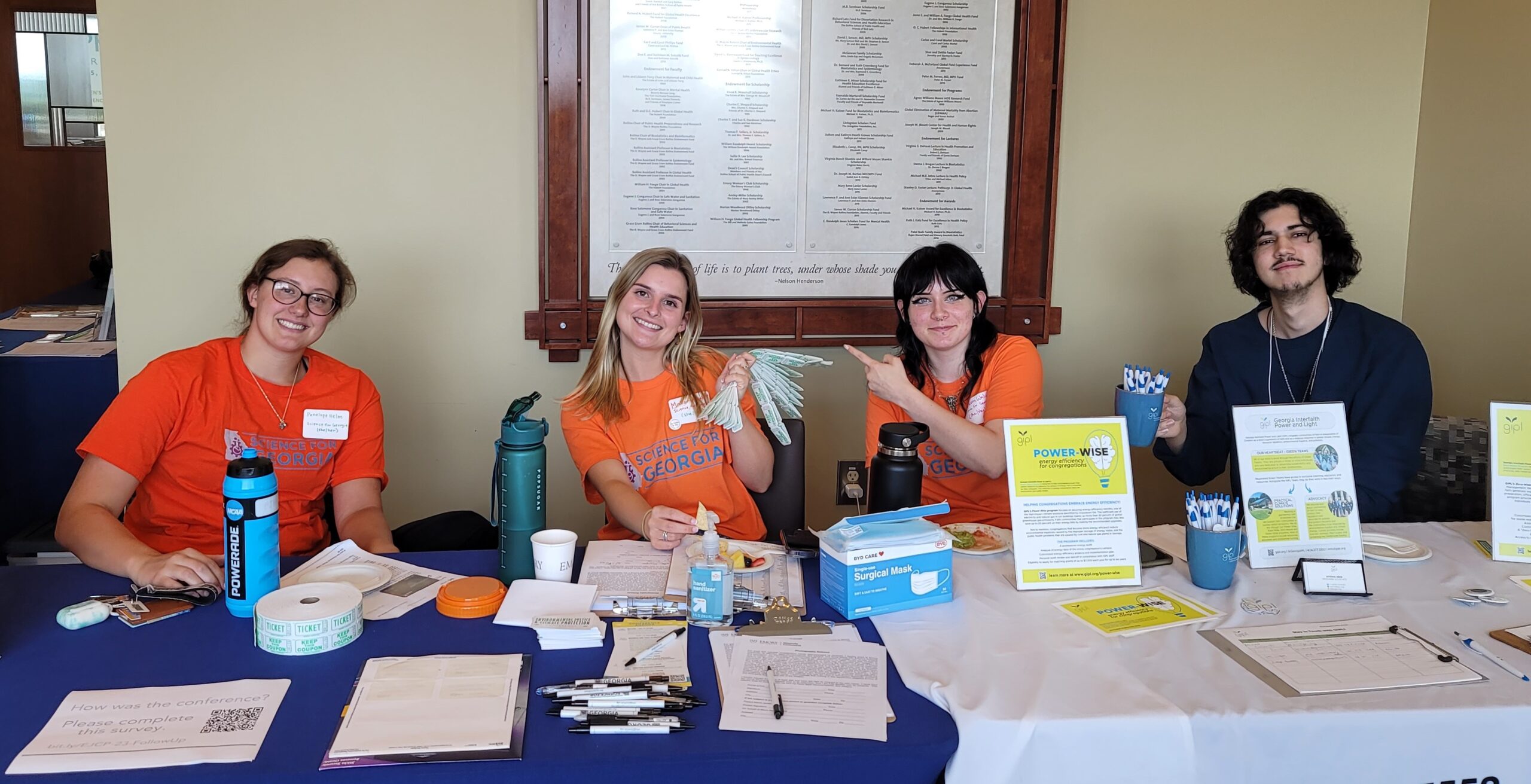
This conference brings together community leaders, concerned citizens, elected officials, academics, and industry experts to break information silos through information sharing focused on identifying solutions to heal and improve the health and environment of all Georgians.
Attendees receive solutions-oriented information on the dimensions of environmental health that impact Georgia residents. With sessions on environmental justice impacts, translating knowledge into action, and community coalition building, we discuss, and more importantly, actively brainstorm, what community work can be done right now to move the needle on improving environmental health.


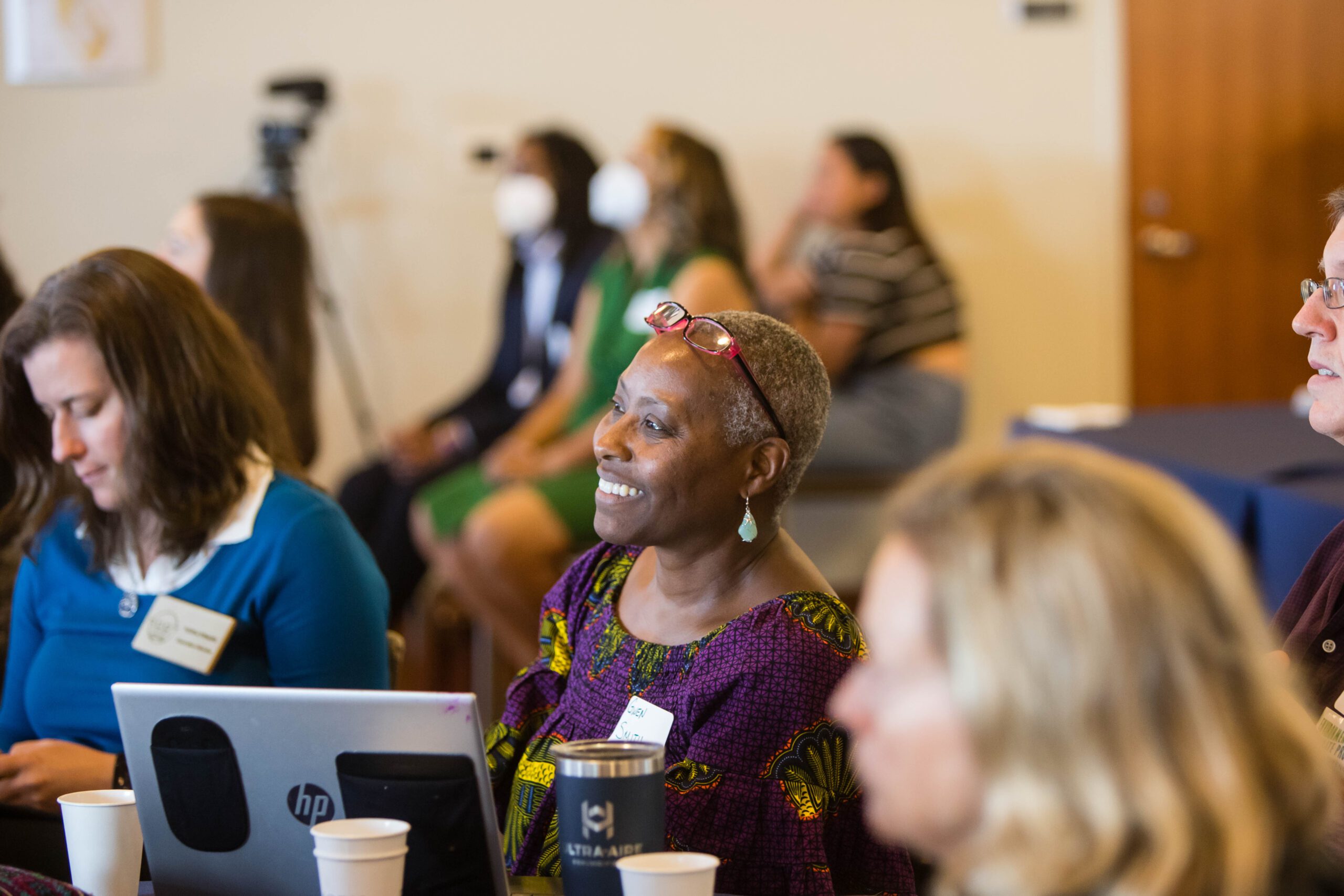

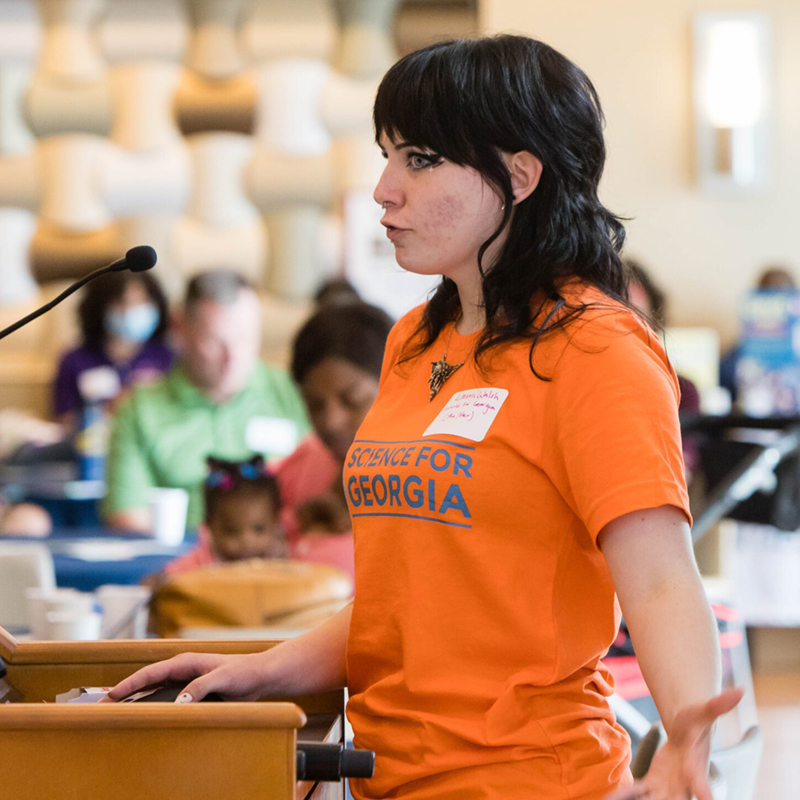


Hosts




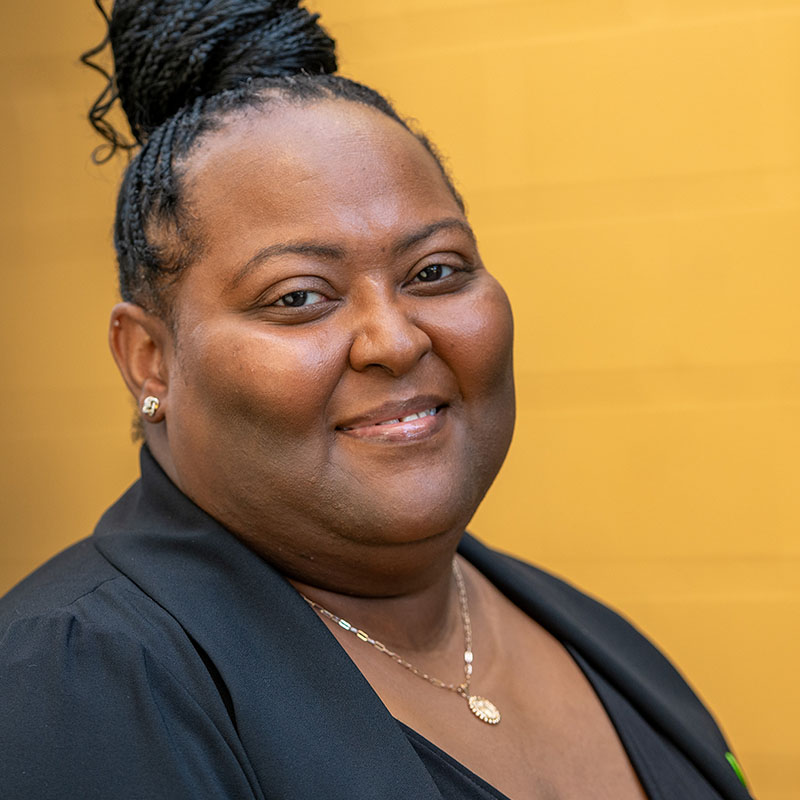
Individual contributors: Tasha Messer, DeKalb County Recreation, Parks and Cultural Affairs (DeKalb County RPCA) and Denise Reid.
Conference Content
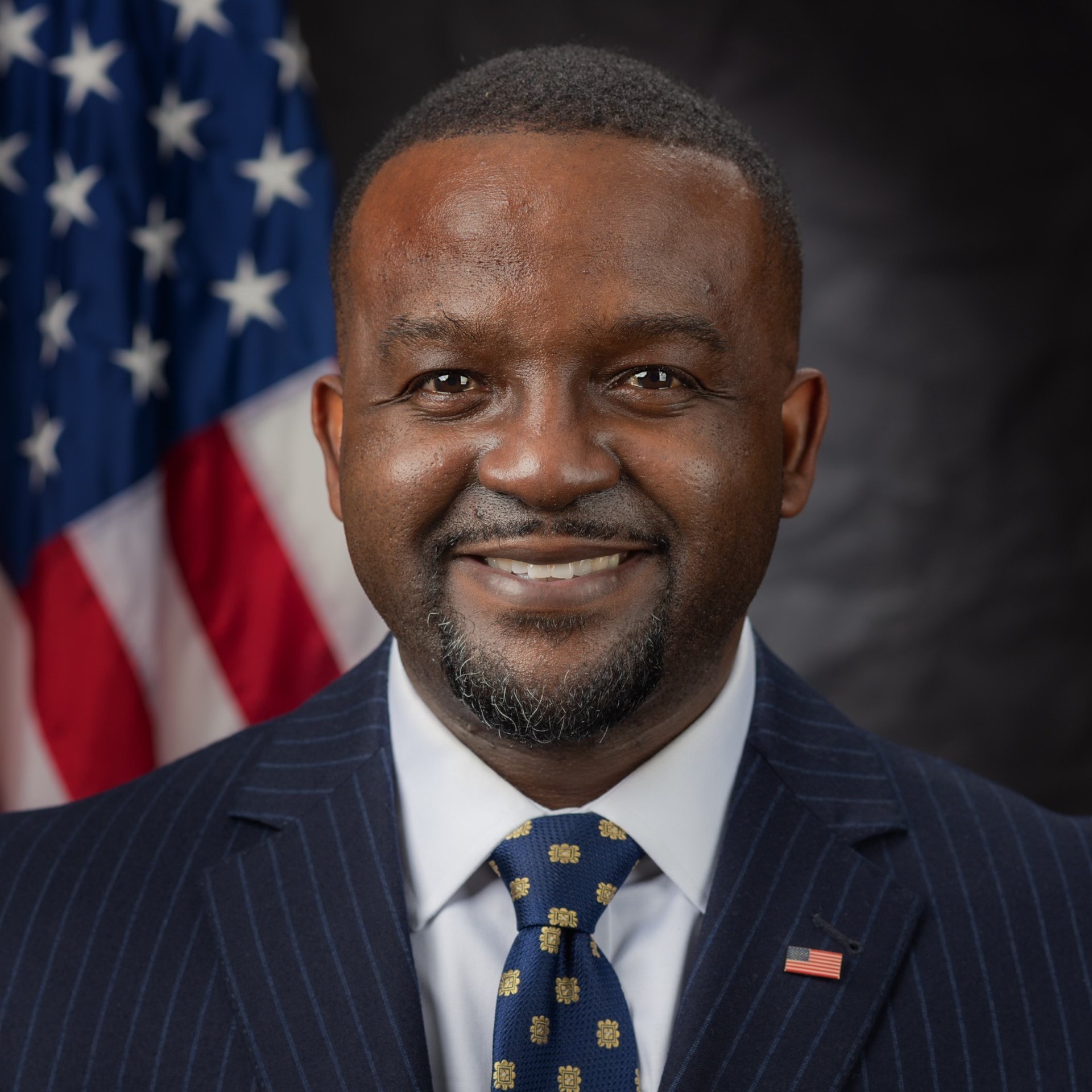
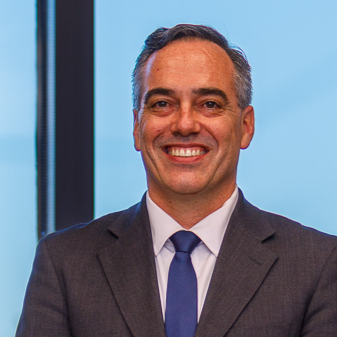
Keynote Speaker: Daniel Blackman
Daniel Blackman is a global leader in climate, equity, and governance whose work bridges public policy, diplomacy, philanthropy, and capital. A former Presidential Appointee under the Biden–Harris Administration, he oversaw more than $6 billion in climate, infrastructure, and environmental justice investments as Regional Administrator of the U.S. EPA Region 4, serving eight states and six federally recognized tribes while advancing long-term economic resilience. Beyond federal service, he is a Board Trustee of Support + Feed and Vice Chairman and Advisor to Edelen Renewables, and as Founder of Renaissance94, he is recognized for aligning government, private capital, and ethical governance to build resilient, community-centered institutions that deliver lasting impact beyond political cycles.
Agenda
Thursday
Check-in – Downstairs
Breakfast – President’s Suite
We will kickoff the conference with our Keynote Speaker: Daniel Blackman.
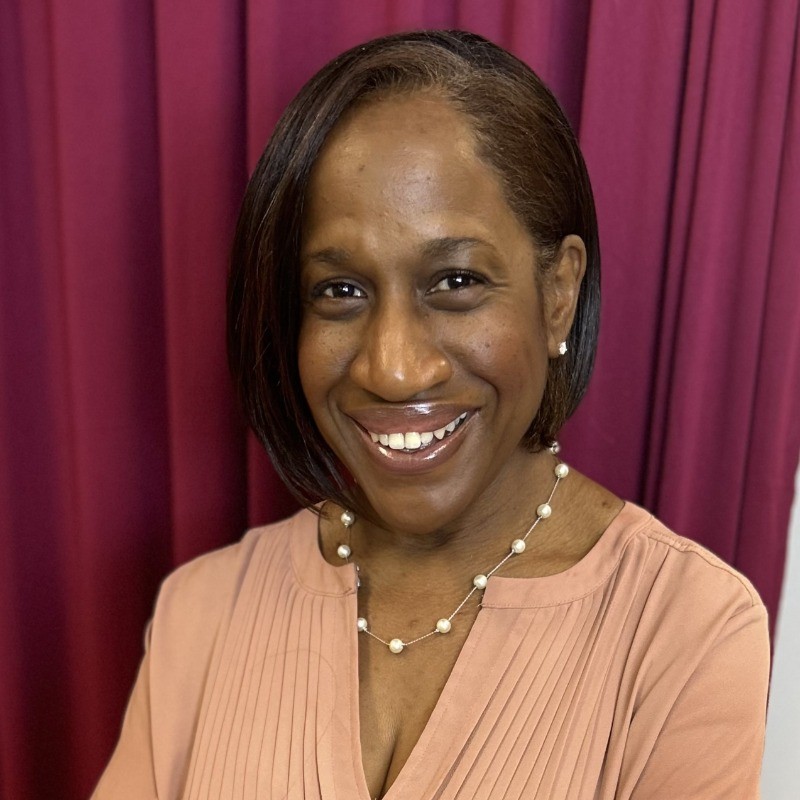
Dr Treva Gear, Dogwood Alliance will charge us for another amazing EJ&CP Conference.
Location: President’s Suite
Track 1: Building Change via Coalitions
Location: President’s Suite
Speakers will explore bringing people together, outreach to specific groups, and building trust. They will highlight examples from their own experiences and work.
Olivia Asher, PhD Candidate, University of Georgia; Organizer, Coalition of Athens Scientists
Tykivious Grier, MPA, South Georgia Organizer, Georgia Interfaith Power and Light
Yarrow Koning, M.Ed. in Environmental Education, Organizer, Queers for Climate Justice
Track 2: Community & Climate Resilience
Location: Clary Theatre
Our climate doesn’t just need to be resilient to change, but our people do as well. Learn how both communities and the environment can be strengthened to respond to our changing climate.
Amy Chicos, MA Transpersonal Psychology & Ecopsychology, Community Member
- The Social Mycelium: Relational Permaculture as the Missing Leg of Sustainability
Amy Chicos focuses on relationship-building as the missing component in environmental activism in her talk, The Social Mycelium: Relational Permaculture as the Missing Leg of Sustainability. First, Chicos addressed what she believes to be the reason many projects fail: lack of communication. Chicos likens poor communication to invisible fractures in the land, with those fractures it is almost impossible to build anything with a good foundation. Later, Chicos gears the conversation towards industrial growth in a life-sustaining society, which requires all to change their perspective and take transformative action that results in practices that defend life and renew. Keenly aware of her audience’s background in environmental science, Chicos makes the argument that projects and organizations, culture, society, and emotions interact in a way that resembles an ecosystem. In order to maintain and balance that ecosystem, special care should be given to grow the nutrients – mutual aid, ancient wisdom, and land cultivation – while mitigating energy leaks – ego, reactivity, and defensiveness – and systematic pathogens – capitalism, colonialism, and systematic traumas. Throughout her talk, Chicos notes the capability humans have to grow, citing neuroplasticity and mindfulness practices and methods and tools by which we can all create relations to one another that are resilient and protect our environment.
Danait Issac, Community Manager, Girl Plus Environment
- Building Climate Resilience Hubs in the Aftermath of Natural Disasters
Danait Issaac shared innovative strategies implemented by Girls Plus Environment, an environmental justice and mental health initiative targeting Black, Indigenous, women of color communities affected by climate-related stressors. Infusing culture and social media, organizers developed engaging resources including a mental health toolkits, coping strategies, affirmations, and healing circles designed to address the emotional impacts of climate disasters, extreme weather, power outages, and environmental inequities. To broaden participation, the program intentionally used relevant, accessible event names such as “Saturday Reset,” “On Wednesdays We Wear Pink,” and “Hot Girl Climate Walks” rather than traditional climate or mental health terminology. Through partnerships with therapists, wellness practitioners, community organizations, and local venues, the initiative created welcoming spaces where participants could discuss climate anxiety, build community connections, and learn practical coping skills. Across all events, the program engaged nearly 1,900 participants and received positive evaluations, with attendees praising the supportive atmosphere, culturally responsive therapists, restorative practices, and mental health resources. Organizers also established a therapy fund that provided more than $6,700 in free counseling services to nine Black and Brown women, helping address longer-term mental health needs beyond the capabilities of the event.
Ted Terry, DeKalb County Super District 6 Commissioner
Commissioner Ted Terry began by providing an overview of environmental justice efforts in DeKalb County, highlighting difficulties such as persistent sewage infrastructure issues, high energy burdens for low-income residents, loss of green space, urban heat island impacts, and growing resource pressures from data centers. Terry described the county’s “Resilient DeKalb” initiative, which is a community-driven program focused on sustainable land use and housing, clean energy, utilities, and engagement. Recent accomplishments include adopting a 100% clean energy and transportation transition plan, hiring the county’s first sustainability officer, creating Georgia’s first county-level environmental justice commission, launching sustainable landscaping at libraries, and pursuing water affordability programs and debt relief for residents affected by past billing and infrastructure issues. Terry also spotlighted successful composting pilot programs that divert food waste from landfills and use it to create compost for local farms and gardens. Throughout his session, Terry focused on rapid data center expansion in Georgia which he warns will increase energy demand, fossil fuel use, water consumption, urban heat, and environmental inequities. In an effort to empower audience members to take action that can mitigate the harmful impacts of data center development, Terry called for moratoriums and stronger local regulations, including public hearings, clean-energy requirements, community benefit agreements, and protections for nearby residents. During the Q&A, discussion centered on strategies for organizing against unwanted development, data center regulation, eminent domain concerns, environmental monitoring, outreach efforts, and ensuring that communities most affected by environmental burdens have a stronger voice in local government decision-making.
Track 1: IYKYK – Effective Authentic Engagement Strategies
Location: President’s Suite
Meeting people where they are and sparking their interest goes a long way in creating change. Speakers will cover various successful strategies to work with communities.
Laura Early, Eastern Program Director, SouthWings
- How the Bird’s Eye View Can Elevate Your Cause
Ryan Jones, Founder, Black Empowerment for Environmental Sustainability
- Creating Climate Culture
Michael Czajkowski, PhD, Dir of Advocacy, Science for Georgia
Track 2: Panel – Community Power: Justice in Action
Location: Clary Theatre
The Tift Site in East Point, GA has languished as a Class 1 Hazardous Waste site for 30 years, its industrial contaminants continuing to pollute the headwaters of the South River despite regulatory mandates for cleanup. This panel brings together community organizers, researchers, and policy workers to show how the South River Watershed Alliance built community power through water testing, open records requests, and resident mobilization — ultimately forcing Georgia’s EPD back to the negotiating table. Attendees will leave with practical tools to demand accountability and take action against environmental injustice in their own communities.
Panelists:
Opal Baker, Founder & Community Organizer of Forward Together East Point, Dr. Jacqueline Echols, Board Chair of the South River Watershed Alliance, and Finn Gillette, Drinking Water Lab Technician at Fulton County Public Works, facilitated the panel, Community Power: Justice in Action, in which they focused on the Class 1 Hazardous Waste Tift Site in East Point Georgia. The panel focused on community organizers, researchers, and policy workers joined together to force Georgia’s Environmental Protection Division into negotiations surrounding accountability in the case of environmental injustice.
Reflecting on a walk she took in her community during the COVID-19 pandemic, Baker recalls the first time she noticed the iridescent, chemically blue body of water near an elementary school school which was what Baker would later come to know as the contaminated industrial site, the Tift Site. Baker sought more information about the stream from local officials, but received little response, so she partnered with environmental advocates and researchers to investigate the issue. Through this partnership, residents learned that the area had a long history of industrial activity and hazardous waste disposal, with contamination affecting nearby waterways and neighborhoods.
Panelists discussed research efforts that documented contamination from multiple former industrial corporations, including buried waste and groundwater pollution. Further investigation identified historical records of various contaminants and several responsible properties connected to the site. Community-science partners also found elevated levels of heavy metals near the contamination source, implicating the Tift Site as a contributor of pollutants to nearby river systems. The panelists also noted that many residents near the Tift Site were not even aware of the contamination near them, highlighting broader environmental justice concerns like right-to-know information surrounding pollution in low-income communities.
In an effort to encourage audience members to act, panelists identified strategies that successfully moved the cleanup process forward. These included door-to-door community outreach, public meetings, scientific data collection, open records requests, direct engagement with Georgia’s Environmental Protection Division (EPD), and sustained advocacy through the years. The panelists highlighted their own experience successfully pushing regulators to pursue remediation plans, use state hazardous waste trust funds to address contamination on multiple properties, and consider cleanup standards suitable for residential use. Speakers stressed that building community power, maintaining pressure on decision-makers, partnering with scientists, and educating affected residents were critical to achieving progress. Though great progress has been made, the panelists reminded the audience that there is still significant remediation to be done to address decades-old environmental hazards.
Finish your lunch and fight the food coma by participating in small group exercises.
Amy Chicos, MA, Ecopsychologist & Relational Permaculture Coach, BeEcoWell
- Tending the Social Soil: A Relational Permaculture Design Lab
Brandy Hall, Founder & CEO Shades of Green Permaculture
- Smart Stormwater: Practical Solutions for a Resilient Future
Allen Hyde, Associate Professor, School of History and Sociology, Georgia Institute of Technology
- Using maps to facilitate story telling around data centers and understand community needs.
Akissi Stokes-Nelson, CEO & Cofounder, WunderGrubs, Inc.
- Insect Mania Card Gameplay
Anna Zelcer, Climate Fresk, MBA in Sustainability, Sustainability Coordinator, Angelini Pharma
- Your community members can become a Climate Hero!
Track 1: A Panel on Black Women’s Environmental and Climate Justice Activism in Coastal Georgia
Location: President’s Suite
Panelists: Adrian Cato, PhD candidate, Emory University; Courtney McGill, Digital Creator & Community Archivist, Independent (Black-Owned Brunswick); Neesha Powell-Ingabire, journalist, essayist, writing educator & cultural organizer.
Adrian Cato, PhD candidate at Emory University, Courtney McGill, Digital Creator & Community Archivist Independent (Black-Ownded Brunswick), and Neesha Powell-Ingabire, journalist, essayist, writing educator & cultural organizer, led their discussion, A Panel on Black Women’s Environmental and Climate Justice Activism in Coastal Georgia. The three panelists share their experiences working with and living through climate justice activism, sharing stories of heritage, triumph, and hardship that fuel the movement.
Focusing on Brunswick and Glynn County where many of the residents are Black and economically disadvantaged, the panelists examined a history of pollution from industrial facilities from different vantage points, including an overview of the historic Hercules plant and stories of residents’ grief due to health issues caused by the plant’s pollution. Academic and community partners were able to work together to conduct research that led to the identification of toxins in residents’ blood due to the plant pollution’s long-term effects. Throughout the panel, the speakers noted that Brunswick was a cautionary tale of what can happen when industries occupy and concentrate in marginalized communities, highlighting the trend in hazardous waste and superfund sites being located in predominately Black neighborhoods.
Central to many of the anecdotes and academic findings shared surrounding environmental justice in coastal Georgia, was a theme of legacy pollution: pollution that remains and causes harm to generations of people long after the industry that causes it is gone. In addition to demanding transparency, accountability, and community involvement in decisions about cleanup and redevelopment in affected areas, panel members continued to highlight the importance of addressing the mental, emotional, cultural, and social impacts of living with pollution. As much as panelists believe there exists a need for community-driven research, they urge academics to be cognizant of their responsibility to the community and its people – to be as focused on building relationships, gaining trust, and supporting systems geared towards improvement as they are on extracting data.
Branching out from coastal Georgia and the issues its communities face, the panelists acknowledge environmental threats to other Georgia areas, including mining proposals in the Okefenokee Swamp, climate-related natural disasters, and threats to Atlanta’s tree canopy through projects like Atlanta’s Cop City development. When discussing next steps and how to move forward, panelists looked to many different examples of Black women leading environmental justice movements, whether it be through organizing communities, journalism, or reviving ancestral agricultural practices. Further, panelists urged audience members to harken back environmentally friendly practices, with a special emphasis on urging Black audience members to look towards their potential Gullah Geechee roots to find inspiration. Independent journalism was discussed as an integral piece of environmental activism as it preserves cultural knowledge, documents local histories, and can provide opinions and insight that recognize Black environmental stewardship in its messaging without sway from corporate entities that at times manufacture media to change public opinion.
Ultimately, the panel argued that environmental justice requires not only environmental restoration but also healing, community empowerment, resource redistribution, and long-term relationship-building between institutions and the communities most affected by environmental harm.
Track 2: Community Involved Research
Location: Clary Theatre
Garry Harris, Center for Sustainable Communities
- NASA Hampton Roads Coastal Resilience Project
Gary Harris presented an overview of how community-engaged research and NASA Earth observation data can be combined to address climate change, environmental justice, and public health challenges. He explained that his organization uses a “just science” approach, which integrates scientific research, technology, data science, and community knowledge to develop equitable solutions for climate resilience, health disparities, and social justice. Drawing on more than 15 years of collaboration with NASA, including partnerships with NASA Goddard and NASA Langley, Harris described how publicly available satellite data can help communities understand environmental risks such as sea level rise, flooding, heat, air quality, precipitation, and land use. He contrasted two case studies: West Atlanta, where community workshops helped residents use NASA data to identify local priorities such as litter, water and air quality, traffic pollution, food access, and health, and the Hampton Roads region of coastal Virginia, where NASA data is being integrated into regional resilience planning for 17 municipalities facing sea level rise, land subsidence, stronger storms, and increased flooding. A central theme of the presentation was that scientific research should be driven by community priorities rather than imposed by outside experts. Harris emphasized principles of community-engaged research, including recognizing existing community assets, partnering with trusted local institutions such as churches, respecting community knowledge, and involving residents throughout the research process. Through workshops, mapping exercises, “gallery walks,” town halls, and resilience planning events, community members worked alongside NASA scientists and researchers to interpret satellite data, validate local concerns, and improve climate models. These collaborations also benefited researchers by exposing them to community perspectives they had not previously considered. Harris highlighted the importance of translating complex scientific information into practical tools that support emergency preparedness, infrastructure planning, policy decisions, and long-term adaptation strategies. He also discussed the challenges of incorporating environmental justice into traditionally technical scientific fields, noting that relatively few NASA scientists have social science backgrounds, making community partnerships even more valuable. Audience discussion reinforced how combining satellite data with local knowledge helps validate community experiences, identify hyperlocal environmental disparities, expand access to scientific information, and empower residents, planners, engineers, and policymakers to make more informed decisions. Overall, the presentation emphasized that effective climate resilience depends not only on advanced data and modeling but also on meaningful collaboration between scientists, government agencies, and the communities most affected by environmental change.
Allen Hyde, Associate Professor School of History and Sociology, Georgia Institute of Technology
- Community-Engaged Approaches to Understanding the Effects of Data Centers on Communities in Atlanta
Allen Hyde presented a community-engaged research project examining the social, environmental, and economic impacts of rapidly expanding data centers in the Atlanta region. He explained that the growing demand for artificial intelligence, cloud computing, streaming services, and digital technologies has fueled an unprecedented increase in the construction of data centers, particularly in Georgia, which has become one of the nation’s largest data center hubs alongside Northern Virginia. While these facilities provide technological and economic benefits, Hyde emphasized that they also raise significant concerns about water consumption, energy use, heat generation, noise and light pollution, land use, housing values, infrastructure demands, environmental health, and environmental justice. He noted that many proposed facilities are substantially larger than shopping malls and that planned data center capacity far exceeds what currently exists, making it essential to understand their long-term impacts on communities. Drawing on sociological principles such as the Thomas Theorem, Hyde argued that researchers must recognize residents as experts in their own communities, understand their lived experiences, and build trust by listening to community concerns rather than assuming technical experts alone have the answers. He highlighted that data centers are disproportionately clustered in communities such as southwest Atlanta and along the Buford Highway corridor, raising questions about environmental racism, equity, and the unequal distribution of environmental burdens. To better understand community perspectives, his interdisciplinary team—including researchers from Georgia Tech, Science for Georgia, ECO-Action, and ArtsXchange—developed interactive community workshops using games, storytelling, image boards, and collaborative exercises to identify residents’ priorities. Participants expressed concerns about water pollution, rising energy bills, governance and accountability, environmental racism, property values, power reliability, human health, and broader environmental impacts. Based on this feedback, the team created community scorecards and explored interactive mapping tools to help residents evaluate proposed data center projects and communicate their priorities more effectively. Hyde explained that these tools are intended to support community benefits agreements or local ordinances that would require companies to address public concerns through legally enforceable commitments rather than informal promises or confidential agreements protected by nondisclosure clauses. He outlined potential policy priorities such as protecting water resources, limiting noise and light pollution, ensuring financial accountability and tax transparency, sharing utility costs, supporting local workforce development, promoting digital equity, monitoring long-term health impacts, and creating public dashboards to track company performance. During the discussion, audience members raised additional issues including biodiversity loss, wildlife impacts, disaster resilience, eminent domain, government accountability, and corporate influence, highlighting the broad range of concerns surrounding data center expansion. Hyde concluded that community engagement should play a central role in planning future data center development, ensuring that residents have meaningful input into decisions that affect their neighborhoods while helping shape policies that balance technological growth with environmental sustainability, public health, and social equity.
Lara Martin, Community Member, Lindmoor Woods Neighborhood Association
- Paved Over: What the I-285 Expansion Reveals About Health, Equity, and Community Power
Lara Martin presented a community perspective on the proposed Interstate 285 expansion, arguing that the project highlights broader issues of public health, environmental justice, transportation policy, and community empowerment. She described how the expansion would affect numerous neighborhoods, businesses, renters, and homeowners along the eastern portion of I-285, including Lindmoore Woods, Clarkston, and more than a dozen surrounding communities, many of which are racially and economically diverse. Martin explained that Lynmore Woods is a heavily wooded, mid-century suburban neighborhood located between several major highways, where many residents already experience significant traffic noise and pollution. Under the current proposal, portions of private property would be taken through right-of-way acquisitions or eminent domain to accommodate elevated express toll lanes, some reaching more than 30 feet high with additional sound barriers, dramatically altering neighborhood landscapes and quality of life. She placed the project within the historical context of Atlanta’s highway development, explaining that the original construction and expansion of I-285 accelerated suburban growth, reinforced racial and economic segregation, facilitated white flight, displaced thousands of predominantly Black residents, and created lasting environmental burdens for communities with limited political influence. According to Martin, the current expansion continues this legacy by prioritizing highway capacity over community well-being while disproportionately affecting vulnerable neighborhoods. She raised concerns about increased air pollution, traffic noise, light pollution, tree loss, reduced walkability, respiratory and cardiovascular health risks, wildlife disruption, heat island effects, and declining property values. Martin also criticized the project’s reliance on a public-private partnership model funded through toll revenues, arguing that accelerated project delivery has reduced transparency and public accountability. A major focus of her presentation was the changing federal regulatory environment, particularly recent revisions to environmental review requirements that she argued have weakened environmental justice protections. She explained that changes to environmental impact assessment procedures no longer require comprehensive evaluation of cumulative climate impacts or explicit consideration of race- and income-based environmental justice concerns, meaning that future reviews of the project may omit analyses of disproportionate impacts on historically marginalized communities. Martin outlined the community’s organizing efforts since learning of the expanded project in late 2024, including forming neighborhood coalitions, meeting with state transportation officials, engaging elected leaders, conducting media outreach, and advocating for design revisions. Although project plans have already been modified once, replacing widespread property acquisition with expanded rights-of-use, she emphasized that residents believe additional changes remain possible if public pressure continues. She called for technical support from researchers, environmental organizations, and public health experts to establish hyperlocal baseline measurements of air quality, particulate matter, carbon monoxide, noise, light pollution, water quality, and ecological conditions before construction begins, arguing that locally collected scientific data would allow communities to hold agencies and contractors accountable for future impacts. Martin also advocated for stronger partnerships with environmental justice organizations, wildlife and conservation groups, citizen scientists, and other communities facing similar transportation projects across Georgia. Throughout her presentation, she emphasized that transportation planning should move beyond continually adding highway lanes—a strategy she argued ultimately increases congestion while shifting environmental and health burdens onto surrounding neighborhoods—and instead prioritize equitable, evidence-based solutions that protect public health, preserve community assets, and provide meaningful opportunities for public participation. Concluding with an appeal for collaboration, she encouraged researchers, advocacy groups, and community organizations to support affected neighborhoods over the coming year before final project designs are released, emphasizing that residents need additional expertise, resources, and scientific evidence to strengthen their advocacy and influence the future of the I-285 expansion.
Location: Hall of Success
Check out our unposter session while enjoying snacks and networking with your colleagues.
UnPosters:
Virginia Cason, Georgia Tech University, Atlanta Community Engaged Grad Program – Fellow, Power To The People: The Case For Balcony Solar In GA
Jeremiah Dang, Student, Kendeda Building Fellowship, Architecture & Sustainable Cities Student, The First Living Building in the Southeast – The Kendeda Building for Innovative Sustainable Design
Sarah Eazzetta, Southeastern Wind Coalition, Wind Energy and Georgia’s Energy Future
Garry Harris, Center for Sustainable Communities, Tree Planting for Environmental Justice: Reducing Urban Heat in Portsmouth’s Vulnerable Communities
Irene Jacob, Georgia Tech Student, Atlanta Community Engaged Research Grad Program – Fellow, Rooted in Questions
Kathry Kolb & Dajawn Williams, EcoAddendum, A Triple Win: Env Education, Restoration, Green Jobs
Erin Lebow-Skelley & Alina Merceron, HERCULES Exposome Research Center, Emory University, How can I limit harmful exposures in my home?
Gavin Messer, Trees Atlanta, Youth Tree Team, Piedmont Park External Studies Group Capstone Project.
Ella Neumann, Georgia Tech University, Atlanta Community Engaged Grad Program – Fellow, Toilets to Tributaries: Exploring Atlanta’s Combined Sewer System
Niya Randall, Georgia State University, Atlanta Community Engaged Grad Program, Four Churches. One Community
Gillian Smith & Marcia Worrell, Center for Black Women’s Wellness, Building a Community Starting at Square 1
Sharon Rachel, Georgia Tech Student, Atlanta Community Engaged Research Grad Program – Fellow, The Value of Our Voices: Environmental Justice Leaders Talk Data Centers
Nataliia Yaroshenko, Sumy National Agrarian University and University of Buffalo, Environment Under Threat – a case from Ukraine
Friday
Data Centers – everything you wanted to know, and more
Location: President’s Suite
Amy Sharma, Executive Director, and Jessica Owens, Director of Data and Mapping, Science for Georgia, will cover all things data centers: what they are, community outreach techniques, available resources, and using maps to track their locations and impacts.
Dr. Amy Sharma, Executive Director, and Jessica Owens, Director of Data and Mapping, of Science for Georgia gave an informational talk covering data centers, including what they are and issues with and solutions for their development.
Jessica Owens began by giving an overview of data centers and their use throughout time. She reminds us that data centers have been around for a while and support many of the assets we use in our daily lives such as banking and cloud storage. In highlighting the earlier history of data centers, Jessica creates a distinction between them and new AI, hyperscale buildings in terms of size and energy use, noting that older data centers could fit in basements of buildings or server rooms and require much less energy than AI data centers. Further, Owens mentions some of the benefits of AI use, like research breakthroughs, as well as its downfalls, including surveillance, low job opportunity, deep fakes, and disproportionate energy costs, and emergency relief.
Dr. Sharma continues Owens’ discussion on data centers by gearing the conversation towards Georgia’s attractiveness for data center development. Georgia has many resources and opportunities that attract data centers such as inexpensive water, land, and power as well as broadband internet access. Dr.Sharma also points out that Georgia has economic incentives that those developing data centers can utilize, such as property tax abatement, foregoing a large cost that could benefit Georgians. Throughout her talk, Dr.Sharma explains which entities stand to gain from the development of data centers, the expedited development of power demanded to sustain these centers, and public health impacts.
Together, Dr. Sharma and Owens call on audience members to act and defend the interests of their communities, sharing resources like Owens’ Data Center map and community benefit agreements information, and shedding light on cuts to the Environmental Protection Agency that would normally put forth effort to mitigate the harm of the data centers. Further, the two encourage community members to make companies utilizing Georgia’s natural resources to sign minimum contracts, agree to wastewater testing, create water use plans and noise and light abatements, and bring opportunity and workforce development – fixing high school chemistry labs, for example. Finally, there is an urgent call to attend town council meetings and advocate for the needs of the community.

Track 1: Tales from Rural Towns
Location: President’s Suite
Learn firsthand about the “Highway to Hell” in rural South Georgia. From the negative impact of the woody biomass industry to proposed data centers to natural disasters.
Panelists: Dakkia Bradshaw, Lumber City Community Leader; Treva Gear, Dogwood Alliance.
Bradshaw and Gear begin by explaining a few key definitions to the audience including biomass, or bioenergy, which refers to energy produced from living materials such as wood, agricultural waste, and manure. In the southeastern United States, however, biomass energy is largely driven by the wood pellet industry, which produces pellets by harvesting trees, compressing the wood, and exporting the pellets to be burned for energy overseas. The pair point out that the rapid expansion of this industry has made the Gulf South a major production region, with existing and proposed wood pellet facilities covering much of Alabama and Georgia. In Georgia, most facilities are concentrated in the rural southern part of the state, particularly along what advocates describe as the “Highway to Hell,” a corridor stretching from Lumber City through Hazlehurst and Baxley to Jesup. Because each facility requires timber from a large surrounding area, relatively few rural communities remain unaffected by logging and pellet production.
Gear and Bradshaw cite various studies, but they all conclude that communities located near wood pellet plants experience a wide range of environmental and public health concerns. These wood pellet plants cause residents report constant industrial noise reaching approximately 80 decibels beyond facility boundaries, hundreds of heavy truck trips each day that increase air pollution, dust, dangerous traffic conditions, and damage to local roads, as well as the risk of fires and explosions due to the highly combustible nature of wood pellets. Air pollution from these facilities includes volatile organic compounds (VOCs), hazardous air pollutants (HAPs), particulate matter (PM), and nitrogen oxides (NOₓ), all of which are associated with respiratory illness, asthma attacks, cardiovascular disease, and increased cancer risk. A community survey found that 86% of households living near pellet mills reported at least one medical diagnosis they believed was related to plant pollution, highlighting significant concerns about the industry’s effects on quality of life.
Research conducted in Lumber City provides particularly strong evidence of these impacts through community-led air quality monitoring. Scientists documented elevated levels of black carbon (PM2.5), a toxic byproduct of incomplete combustion containing carcinogenic polycyclic aromatic hydrocarbons (PAHs) and metal contaminants, as well as brown carbon produced from burning wood. Measurements showed that Lumber City’s air pollution frequently exceeded levels found along Atlanta’s busiest interstate corridor, despite its rural location, meaning residents—including a disproportionately high number of children—are exposed to air quality worse than many urban transportation hotspots. Long-term exposure to black carbon has been linked to increased rates of cardiovascular and respiratory disease, hospitalizations, premature mortality, and climate warming due to its ability to absorb sunlight. These health risks are compounded by the community’s social vulnerabilities, including higher-than-average poverty rates, declining employment, lower educational attainment, and a large youth population, making community-led scientific monitoring an essential tool for documenting environmental injustice, supporting public health advocacy, and promoting greater environmental accountability.
Track 2: Workshop/Panel: Community Benefits Agreements
Location: Clary Theatre
Presented by: Kevin T. Bryan, Principal, Equnival Partners LLC
CBAs are often mentioned as a great tool for creating and sustaining change. But what are they? How do you make them happen? and what must be done to make them work for communities?
Kevin T. Bryan, Founding Principal at Equnival Partners, introduced audience members to and facilitated an open dialogue around Community Benefits Agreements in clean energy development.
To begin the session, Bryan defined equity and justice with regard to company development, emphasizing the importance of community members’ access and influence when interacting with power structures and decision-making that impact their lives. Following, Bryan shared the importance of Community Benefits Agreements, highlighting the desires of the community – infrastructure investment, pollution remediation, workforce development – and the goals of companies – profits, strong community relations, and stewardship. Using his professional experience facilitating CBAs, Bryan gives audience members a thorough list of expectations communities and local governments can create in these documents, including clauses on direct payments, legality, local ownership and revenue sharing, economic development, and ecological co-benefits. Beyond establishing CBAs, communities benefit from evaluating adherence to the agreements and whether or not the companies involved in those agreements bring about the economic and environmental prosperity the community hopes for. Bryan urges audience members to be aware of common challenges in establishing CBAs, such as implementation gaps, funding stability, capacity constraints, and displacement and follows with guiding questions community members and companies need to answer in order to tackle those challenges. Importantly, Bryan emphasizes critical equity considerations and gives audience members the opportunity to ponder questions of defining community, representation, and distribution of benefits. Finally, Bryan offers specific roles and policy pathways for various types of people and entities seeking to establish community benefits agreements, including public utility commissions and states.
Bryan’s overview of community benefits mechanisms is a timely tool that all individuals can make use of in light of fast-growing industrial and technological developments that seek communal resources. The mechanisms and tools outlined in the presentation provide a clear path for those pursuing the agreements to follow filled with points of reflection to ensure important decisions are made with all parties in mind.
Location: President’s Suite
Make new friends over lunch and answer questions to help us plan for the upcoming year.
Close out the conference by investing in your own resilience.
Track 1: Holding Space for Climate Grief
President’s Suite
Danielle Jones, Facilitator of Earth-based, liberatory and somatic practices, Founder/Principal ROOTSRISE LLC
Danielle Jones, Facilitator of Earth-based, liberatory and somatic practices and Founder and Principal of ROOTRISE LLC, discusses the importance of environmental justice advocates and communities to allow themselves the opportunity to grieve the effects of climate change.
Utilizing her backgrounds in environmental education, environmental public health, and yoga instruction, Jones takes an alternative approach to teaching audience members about how to deal with grief by engaging them in a yoga workshop. Jones believes that engaging in movement allows people to connect with their bodies and the earth, feeling that the power of somatic practices is in its ability to help people reimagine beliefs, practices, and systems that re-center equity and healing. Key goals of the somatic workshop were to (1) Hold space for collective climate grief through gentle movement, creative expression, and ceremony, (2) Ground in trauma-informed, emergent, and ecosomatic approaches, (3) Co-create space to hold different realities – honestly and tenderly, (4) Grow capacity to transform climate grief into connection, resilience, and action.
Jones’ workshop offered convention-goers a unique opportunity to experience their feelings and utilize their bodies together at the end of the conference after learning about various environmental justice issues. Rather than feeling individually overwhelmed, participants were able to share their concerns and hopes with each other and build a sense of trust and strength in their newfound community.
Track 2: Resilience as Resistance: Trauma-Informed Tools for Environmental Justice Leaders and Communities
Clary Theatre
Crystal M. Consonery, Certified Faith-Based Clinical Counselor & Life Coach
Dr. Crystal M. Consonery, a Certified Faith-Based Clinical Counselor & Life Coach guided audience members through her lesson, Resilience as Resistance, providing methods for environmental justice leaders and communities to turn their trauma into useful tools. Looking back on her observations of workers and community members coming together to mitigate the impacts of an oil spill, Dr.Consonery noted that while she saw a lot of resilience, she saw a lack of opportunity for communities to discuss and work through their feelings. Realizing that the work communities do to protect their environments is demanding, both physically and emotionally, Dr.Consonery saw an opportunity to give back by developing practical tools that equip leaders to care for themselves and their communities.
Modeling some of her techniques to provide a safe space for communities to share their feelings, Dr.Consonery began the session by asking the audience members to create and agree on rules of the discourse. Later, Dr.Consonery invited audience members to begin by making use of her flipbook, filled with information on the neuroscience behind stress and survival responses, justice fatigue and resilience, as well as practical tools for communal reflection and regulation. As the audience members worked with Dr.Consonery through the topics mentioned in her flipbook, there were multiple opportunities for audience members to share their successes, their worries, and their feelings. After more emotional discussions, Dr.Consonery modeled some of the regulation and resiliency tactics mentioned in her flipbook through guided exercises. In addition, Dr.Consonery allowed audience members to become familiar with their feelings and their physical space through exercises such as “Name it to Tame It”, in which participants were called to reflect on a particular moment that sparked an emotion and name where they felt their reaction in their bodies. Following this exercise, Dr.Consonery modeled how participants could ground themselves after feeling their emotions through an exercise asking each person to point out small details in the space around them, bringing them back to the present.
Through the Resilience as Resistance workshop, Dr.Consonery was able to remind environmental justice leaders and community members of their humanity and give them the resources to not only acknowledge but utilize their most complex feelings to support themselves and one another.
Resources
Georgia Department of Public Health data website – OASIS | Georgia Dept. of Public Health | OHIP
Sponsors
Sponsors enable us to provide travel stipends, keep ticket prices low, and keep the momentum going.
Environmental Justice Heros




Climate Champions


Change Agent


Friends of Environmental Justice