
Solar energy has reached a tipping point where it is now economically competitive with fossil fuels even without subsidies, and that in June 2026, for the first time in U.S. history, solar capacity has exceeded that of coal.
8th – Georgia ranking in solar, nationwide
11% – of Georgia’s electricity come from solar
Even without subsidies wind and solar are cheaper than fossil fuel plants.
Its time to think of Solar as the “Costco” of Energy – not “Whole Foods.”
Many people only think of two forms of solar:
- Rooftop solar – powerful, but expensive and out of reach for many
- Utility-scale solar – large footprint, concerns for farmland and ecosystems
Let’s explore other alternatives: namely, plug-in, agrivoltaics, and parking lot solar.
Portable / Plug-In Solar
Small devices that can be installed in seconds and start shaving electricity consumption off your bill immediately.
- These units are essentially generators, but instead of running on fossil fuels, they run on the sun.
- They can be plugged into a standard outlet and immediately begin providing energy to offset a portion of the customer’s electricity consumption.
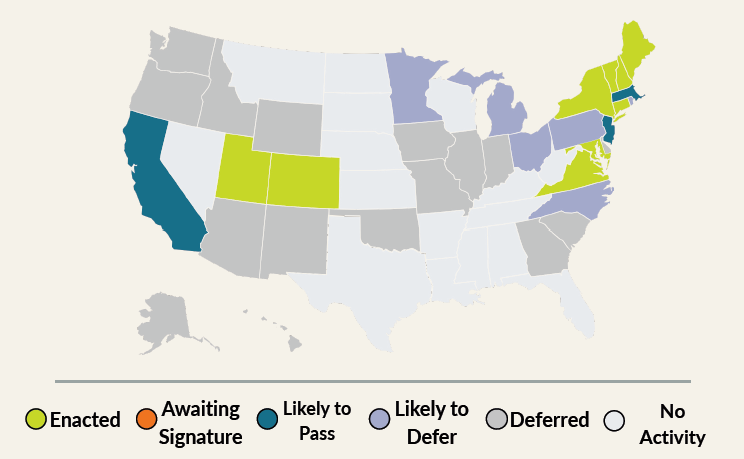
The IBEW has raised valid safety concerns:
- Improper installation (leading cause of solar related fires)
- Firefighter access during emergencies
- Utility worker protection during outages
- Use of uncertified equipment
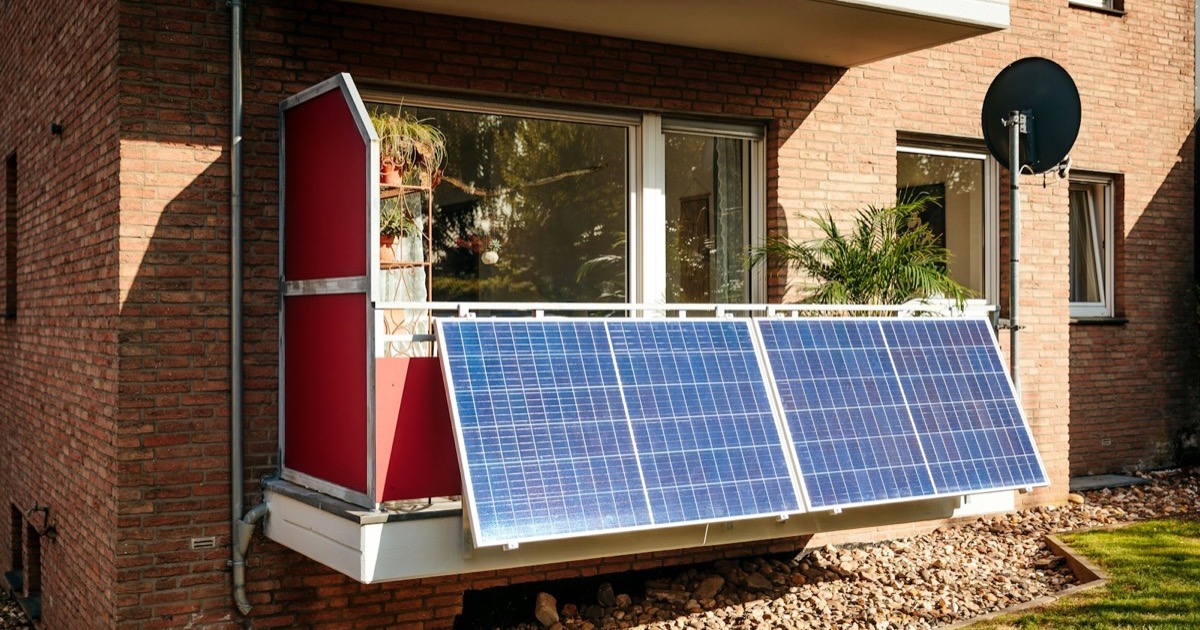
Germany has deployed over a million units.
Existing safety solutions include:
- Certified equipment
- Electrical code compliance
- Automatic shutoff (“anti-islanding”)
- Installation standards
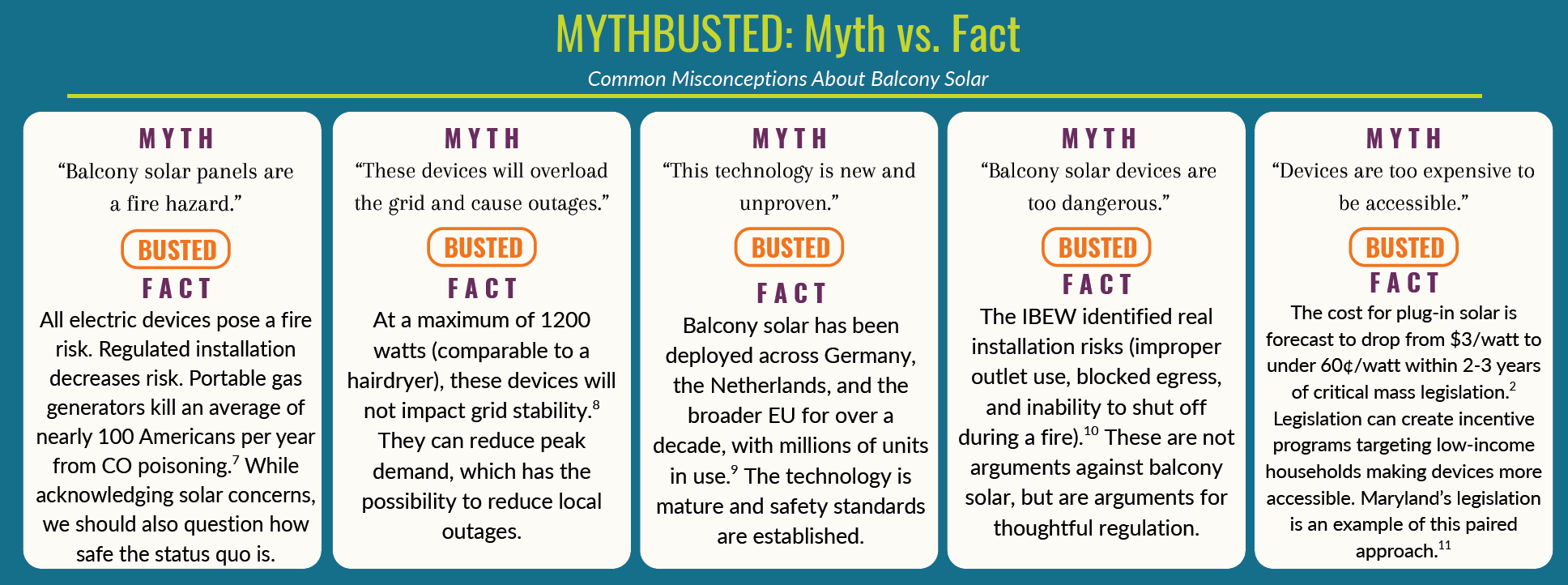
Balcony Solar Legislation
The problem with adoption is policy not technology. Clear legislation — including explicit renter protections — is essential to making this technology accessible.
Currently, these devices are not legislatively distinguished from traditional rooftop installations, meaning they are subject to fees, approvals, and restrictions from Georgia Power. In the absence of clear legislation, Georgia Power retains authority to penalize or prohibit the use of personal energy generation devices, regardless of their size, safety, or impact on the grid.
Balcony solar legislation creates a framework that allows these devices to operate without utility interference, removing a primary
barrier to adoption.
Effective balcony solar legislation typically includes:
- Exemption from interconnection and net metering requirements
- Prohibition on utility-imposed fees, approvals, or penalties
- Mandatory safety certification requirements
Legislation benefits everyone: it advances energy equity and grid safety.
36 – states that have introduced bills
9 – states that have passed legislation
0 – states that have rejected legislation
Agrivoltaics
Intentional integration of solar facilities with agricultural and pastoral land.
Farmers are facing challenges:
- Higher fuel and fertilizer costs
- More frequent droughts and extreme weather
- Lower commodity prices
- Pressure to sell land for development
For many Georgia farmers, the biggest question isn’t what to grow next, it’s whether the farm can survive at all. 800,000+ acres of Georgia farmland could be lost by 2040.
How do we protect both farms and farmers?
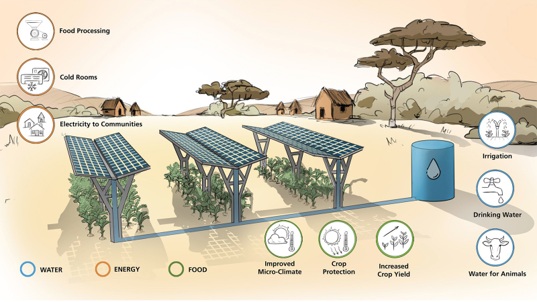
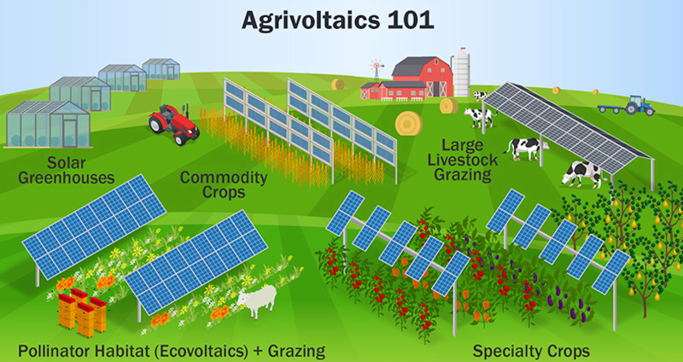
Economic Lifeline
Farms under stress cannot control
- weather
- crop prices
- global markets
Agrivoltaics can provide a guaranteed income.
Also, it’s good for crops and animals
More shade reduces heat stress on plants and animals
Less evaporation retains soil moisture
Creates beneficial microclimates for some crops and forage systems
Parking Lot Solar
Installing solar over parking lots provides
- Car protection
- Juice for EV chargers –> A typical Walmart parking lot could host 3mw, for about 100 car chargers
- Can reduce heat island impacts
“Just 2.5 percent of U.S. solar power comes from urban areas.”
If all 62K acres of parking lots over 1 acre hosted solar panels – they could produce enough energy for 1.8 million homes. There are 4.6 million homes in all of Georgia.
Science for Georgia is currently working on a parking lot mapping project and will share more information shortly.
Georgia Science Junction – Homegrown Solar: Georgia’s Future Hope
Thursday, June 25th, 7-8:30 pm
The above video clips are from the Georgia Science Junction presentation that is described below.
Solar energy has reached a tipping point where it is now economically competitive with fossil fuels even without subsidies, and that for the first time in U.S. history, solar capacity has exceeded that of coal. Given all of that momentum, what tools do we have available right here in Georgia to accelerate the transition? This GSJ explored three options: plug-in solar (aka balcony solar), agrivoltaics, and parking lot solar.
Intern and Georgia Tech graduate student Virginia led off the presentation walking through plug-in solar. Energy affordability is fundamentally a justice issue. With one in three Georgians renting their homes, and Atlanta ranking among the top cities in the nation for energy burden, renters are disproportionately excluded from the benefits of clean energy adoption. The problem with adoption is policy not technology. Plug-in solar is essentially a small portable generator that takes solar energy and feeds it back into your residence – offsetting some of the electricity costs (such as for running your fridge). Clear legislation — including explicit renter protections — is essential to making this technology accessible.
Fellow intern Rachel then presented on agrivoltaics, highlighting how the dual use of farmland for both agriculture and solar energy generation could provide Georgia’s struggling farmers with a critical second revenue stream while supporting the state’s renewable energy goals. By adding a bit of solar – that shades an appropriate crop or grazing animals, or powers a greenhouse – farmers can increase their farm’s productivity and also generate some guaranteed income.
The evening closed with a video from collaborator Dr. Bill Witherspoon, who has spurred Sci4Ga’s continuing interest in solar. A third solar option was presented: parking lot solar. Placing panels over parking lots provides shade, reduces heat islands, and is an enormous untapped potential sitting right in plain sight across Metro Atlanta’s estimated 62,000 acres of parking lots. Across all three topics, a consistent theme emerged: the technology exists, the economics work, and what stands between Georgia and a much cleaner energy future is thoughtful, well-crafted policy.
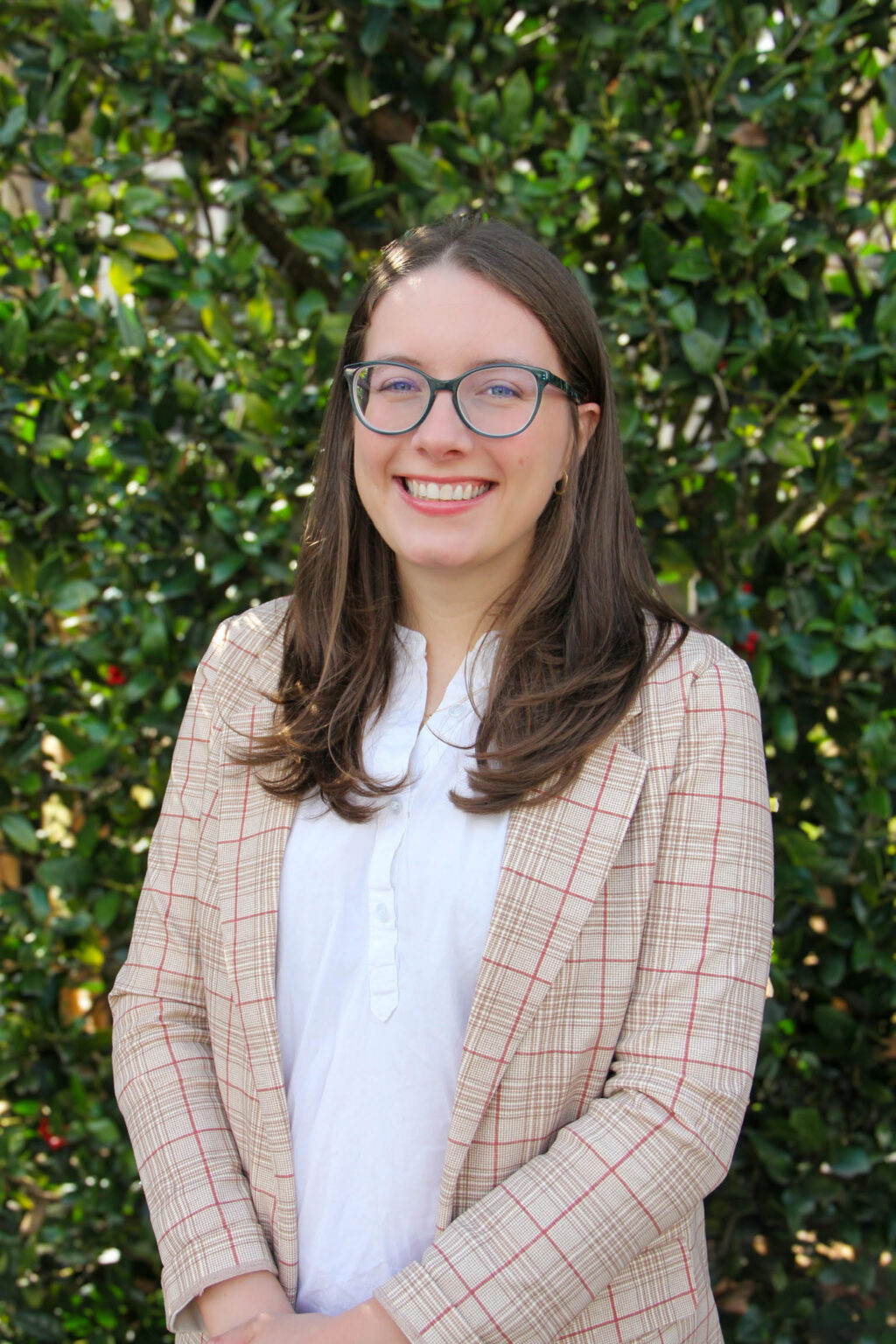
Virginia Cason is a graduate student in Georgia Tech’s Master of Sustainable Energy and Environmental Management program. As a Science for Georgia Community Engaged Research Fellow, she brings a deep commitment to energy equity and community empowerment. Virginia believes that access to clean, affordable energy is a justice issue, and that Georgians deserve transparent, accountable decision-making from utilities like Georgia Power. Her work focuses on translating complex energy policy into tools communities can actually use to advocate for themselves and cleaner, more reliable electricity.

Rachel Gwaltney, Ed.S., is an Academic Designer at McGraw Hill with a background in science education, public health, and curriculum development. She taught high school science for five years and later served as a Curriculum and Training Fellow at the Centers for Disease Control and Prevention (CDC). Her work focuses on developing engaging, evidence-based educational resources that support both educators and student learning.
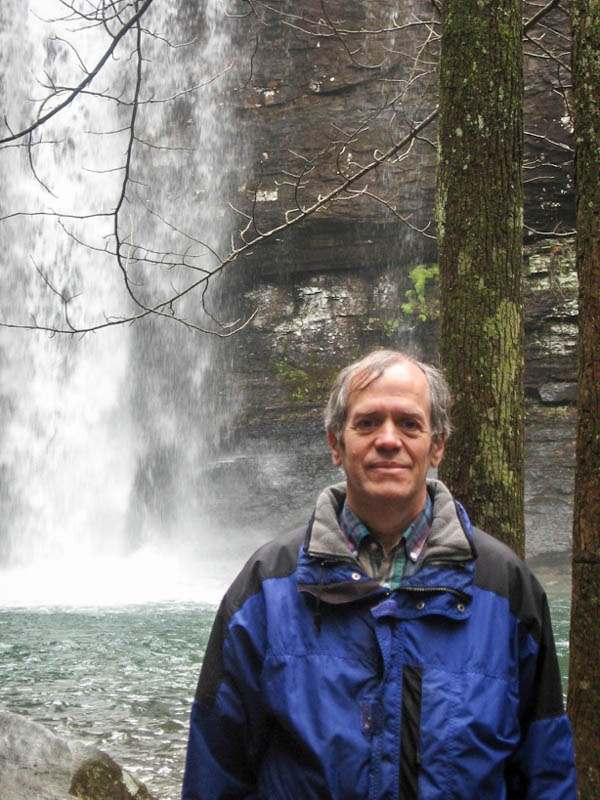
Dr. Bill Witherspoon (video presenter) is producer of the Rock On, Mother Earth podcast series and co-author of Roadside Geology of Georgia. Since the book appeared in 2013, Bill has presented more than 100 walks, talks, and workshops throughout the state. He completed his PhD at the University of Tennessee in 1981 with a study of the geological structure of the Great Smokies. Bill taught at UT Chattanooga, then investigated the structure of northeast Alaska and adjacent Canada in the Global Geology section of Shell Development Company. He became a business co-owner and software developer, then began 17 years as a geoscience educator at Fernbank Science Center, part of DeKalb County Schools. In 2007, the National Association of Geoscience Teachers named him Georgia Outstanding Earth Science Teacher. Since retirement in 2014, Bill has studied climate science, economics, and communication at Georgia Tech and Georgia State. His next teaching project will engage several of the experts who mentored and inspired his climate studies in “Conversations on Climate,” an 8-part series taught onsite in Tucker for the Senior University of Greater Atlanta, beginning January 17.
Hey guys! What’s going on? Happy Thursday! Who’s excited to be here today? Yay! Okay, all right, I am Amy Sharma. I’m the executive director of science for Georgia. I am so excited that you all are here today to be a part of this awesomeness, um.
All right, a little bit about science for Georgia. Uh, we exist against science out of the lab and onto the streets, and so that means we offer science communication training to like University students and above. We do science Outreach events for adults, and you guys are adults, and this is a science Outreach event.
So, we’re so happy that you’re here helping us do our mission. Um, and then we’re actually advocating for to ensure science as a seat at the table down at the general assembly. Yes, we try and talk to policy makers about using logic and reason in their decision making. Yes, uh, we also have this really cool program, uh called Data for Georgia, um, and it’s really exists to connect human health to environmental health.
And making sure data scientists get connected to communities. Um, to really get their resources and provide facts to factor backup anecdotes. We’re really trying to provide concise, true, relevant actual information. Um, and so some of the stuff that you’re going to learn about today came out of the data for Georgia program.
Some of the stuff today came out of our. Our great internship program, so we’re really excited. You all are here today. Um, we have three new speakers. Yay! Um, two of them are science for Georgia interns, and I just absolutely love it when our interns. We, um, we kind of threw them under the bus, and we’re like, hey, you’re working on this project, and you’re gonna go talk about it in public.
Have a good time, so let’s give them a huge hand for being brave.
Great job, uh, I can just do public speaking in my sleep now, but apparently it’s a nerve-wracking thing for like 98 of humanity. So, uh, I do want to introduce our our interns. So, our first one is Virginia. She is a graduate student at Georgia Tech, uh? She’s getting a master of sustainable energy and environmental Management.
That sounds really fancy. Did I get that right? All right. Um, she’s also a science for Georgia Community engaged research fellow. Um, and she’s really a Virginia. Believes that access to clean, affordable energy is a justice issue, and Georgians deserve transparent, accountable decision making. I love this also. Um, she’s like changing hearts and minds, and so we’re really excited to have her be here.
And then, our second one is Rachel. Uh, she’s an academic designer McGraw-Hill in, like her day job, but she is also. An MBA student. Um at UGA, and we are super excited. She’s here because we kind of also threw her into the deep end on solar, and I’m like, I need you to learn a lot of stuff about solar.
And she’s like, I’m a public health student, and she still learned a lot about solar. Um, and so we’re really excited to have her here today, too. And then, finally, joining us via the magic of recording is our good friend, Dr, uh Bill Witherspoon, uh Bill got hooked up with us about a year ago.
Um, he’s really into solar. He’s really into making videos, and he’s like. One of my favorite people, and so we’re really excited that he’s gonna give a little bit of a thing, but um. Bill is like? A rock star, and he’s been doing this really thing. He’s the. Um, co-author of roadside geology of Georgia, which is a really cool thing.
Um, he is a PhD in geology. And he, um, spent 17 years as a geoscience educator at Fernbank, which is really cool. So, it’s fun to work with Bill because he really wants to also make sure that science is getting out of the lab and onto the street. So super excited to have these three wonderful people here today, and our first speaker is Virginia, who actually.
You even walk up sock. Here it is. All right, just just there you go. I have to use this, you have to use the mic. Okay, otherwise, no one hears you. Okay. Put it in front of your either. You got it, you’re crushing it. Okay, you can just yes, um, this is supposed to be.
All I do is by DJ Khaled, because that is the mentality that we’re taking into the rest of the presentation about solar. Um, oh, no, we can get the next slide. Oh, oh, I, yeah, I, typically, yeah.
You can’t tell the difference. Okay, it’s over. All right. What I’m going to do is for you. So, next slide, we’re gonna get this all right. Cool. Next, slide. Oh, cause we got off of the thing. Hold on. I know it’s wrong. I know it’s wrong. We’re fixing it.
Hey man, so all we do is win. Um, as we, I’m sure all of us in this room know there’s been a lot of political pushback against solar right now. Um, but this, you might have seen in the news a couple of weeks ago for the first time in the history of the United States, solar capacity exceeded the capacity of coal generations.
So, that means as of? Um, early June or early early June. We were generating more electricity using the power of the Sun and using the power of coal, which is super exciting and good, um, progress forward. So, throughout the rest of this conversation, these are the wise words of Dr Bill Witherspoon, um, we want to rethink the way that we think about solar generations, instead of thinking it.
As you know, the Whole Foods of the electricity. Where is TE? It’s inaccessible. It’s expensive. We want to start thinking about it as the Costco of electricity, where we want to get bulk of it if you want it to be as accessible as possible. Um, keeping that good energy, um, more than 90 percent of New World electricity Supply is coming from renewables.
So, now, all of that is solar, but it is dominantly solar. Um. George. I currently ranks eight in the United States for a solar generation, so we are not doing too shabby, but there’s always more we can do. Um, solo is currently providing about 11 of our electricity on our grid.
However, 95 of that is utility scale. If you don’t know what that means, we’ll talk about that later. Um. And I just think this statistic is so important to framing conversations about solar with just one hour if we could have harness all of the solar power coming to the Earth.
Just one hour of utilizing all of that energy is enough to power all of the electricity that the world uses in the year. So, this electricity is abundant, and it is always there for us. Um. We’ll talk about this a little bit later, too. But even in this era of lack of subsidies, unsubsidized solar is still cheaper than natural gas or coal.
Um, specifically, in the United States. It is cheaper for us to currently retire all of our cold facilities and replace them with solar. Then it will be for us to continue burning cold. Oh, I think there’s okay, um. So, like I said, I was going to talk about the cost of solar.
Um, this is from a resource called Gary media. If you are interested in climate science, it’s a great resource. Um, but this is just showing us that, since 2000, the cost of solar has decreased. Uh, the adoption rate has increased. That’s pretty consistent with basic economies of scale, but I think it’s really interesting to see.
Um, that really are at a low point in the cost of solar. And again, this is pre-subsidies, um. So, in other words, despite all of this political scrutiny, um, the economies of solar make sense, the future of energy generation is solar. So the question that Rachel and Bill and I are going to talk about today are what are some tools that we have to help progress us towards that future?
We want to try and step away from the usual conversations about solar because those are centered very much around rooftop solar and utility scale projects, so rooftop solar is very powerful, but it has a very high upfront cost. Um and utilities scale solar. There can be concerns about landfuse wages and whatnot with that.
So, what we want to ask tonight is, what else is possible and specifically, what else is possible in the state of Georgia? Here are the three things we’ll be talking about. I’m going to kind of skip over this because we’ll get into it later. Welcome to plugin solar. Um, this is a summary of my Capstone research.
But I really want to start by framing it around this this statistic. This really speaks to me. One in three Georges are currently renting their homes. Zombie set, 33 of us, live in properties where we do not necessarily have access to our roots, and we don’t have the ability to make Energy Efficiency upgrades.
You go into our power’s website and similar organization websites. One of the main things that people are going to advocate for in terms of reducing your interview. Bill is Energy Efficiency upgrades, energy star appliances, use electricity, so you save money marketer. You’re like two single, but what happens if you’re in a rental unit and you’re not responsible for purchasing your refrigerator or you’re not responsible for purchasing your washer and dryer?
Which leads renters not a lot of flexibility to combat Rising utility costs. One way that we think about this in energy, economics, and energy policy is this concept of energy burning, which is just a ratio of how much income you are bringing in and how much money you are spending on your electricity bill.
Obviously, we want that number to be as low as possible. The higher that number is, the more money you are having to say unnecessary utility. Um, This research shows that little income households and renters are going to experience higher energy burden, and that goes back to those Energy Efficiency upgrades.
If you can afford to have the newest and fanciest appliances, if you’re going to be using less electricity, so your electricity bill will be lower. Um. And Atlanta actually ranks among the highest cities Across the Nation for energy burden, um. I think we’re full across all the United States.
Atlanta is fourth highest energy burden meeting. The average Atlanton is spending almost four percent of our income on electricity. Again. As we all know, electricity bills are rising and unfortunate, both apart by on the next slide. Sorry, come outside. Um, just some quick facts about energy burden 25 of our low income households in Atlanta are spending almost 20 percent of their annual income on paying their electricity bills.
This becomes a problem. When you think about the trade-offs associated with that, so we people are having to make the choice between paying further electricity or paying for medications or planning, paying for health care. Um, 28, of Atlanta. Household of this is just all households, not low income. Households specifically have what is categorized as a high energy burden, meaning we’re sending over six percent of our income on energy costs and 14 of our households have a severe energy burden, meaning over 10 percent of income is so important energy.
Is this a lot of graphs? Um, but I’ll walk us through it so. Down here from C and D, just show energy burden across the United States. So, what I want you to focus on are these red areas. These areas with red, that’s where energy burden is the highest.
So, as you see in Georgia and pretty much across the southeast, there’s a lot of red spots. Um, up here. This top line shows Federal spending to alleviate energy costs, so there is a federal funding it’s called. Why heave? It’s low income home energy assistance program, and they provide money, um, low income homeowners to either help pay for their bills.
Or, they can also help with Energy Efficiency upgrades. But remember, that doesn’t really help our renters. Um, and so you can see that this is where the money went in 2020. But that is not lined up with where we are actually seeing energy burden in. The greatest numbers, so we do have federal grants that can help with this, but the money is not going to the right place.
Um. So, like I said earlier, energy bills are increasing, and they’re increasing at a rate that average income is not increased. So, this gap of energy burden is only going to keep increasing. Yeah, wage wage growth is not at peace with the increase in. Utility costs. Okay, so now, here’s the fun stuff, um, one possible solution that we have to combat.
This is a really Nifty technology called plug-in solar. You may also hear people talk about this as balcony, solar, or portable solar. Um. So, it is this small device that you can just put on your balcony. You can also put it in your backyard if you do not have a balcony.
This is not just for renters. It’s for everyone, but renters can use this technology, and it allows you to immediately start generating your own electricity, which allows you to immediately start saving money on your electricity bills. Um, it’s essentially a generator. So, if you’ve ever used a diesel generator during a power outage, it’s very similar technology.
But instead of using fossil fuels, it uses the sun to add those fuel. Um, the technology is pretty simple. Is a regular photovoltaic panel so? Photo multi panel. The difference is going to be this micro inverter, which is going to allow you to plug it directly into your outlet, so there’s no wiring changes that need to happen to your home.
All you have to do is purchase a device and plug it in. Um, it is Plug and Play. You just plug it in immediately, and it starts feeding the electricity back into your home. So, these devices are relatively small. Usually, they’re under 1200 watts, which is a similar, um.
Wattage, similar household appliances, so your toaster ovens. Your hair dryers are all about that same level of wattage that may not seem like a lot, but pushing that into your home throughout the day, it’s gonna help you save around 280 per unit. Um, and that number will obviously only rise as the electricity costs continue to rise as well.
Um. So, just some market trends over here. This is the annual installations that we are seeing in Germany, so Germany has one of the most robust balcony, solar markets, um, and they’ve had a market for almost almost a decade, um, right here in 2022, is when they passed the legislation that really incentivized this technology.
Um, but millions of systems are being deployed across Germany right now in just quarter one of 2025. They had almost 900 000 devices, um, being connected. Nine states in the United States have passed legislation, so all of these yellow states have passed legislation all except Utah past legislation in the last legislative cycle, so.
Um, this is something that is becoming a really big topic of conversation. We had 35 States proposing legislation in this last legislative cycle as well. That’s over half of our country was discussing this. I also want to note that no state has explicitly voted no on this. This is not something that has been killed, outright?
Um, if it did not get passed, it just was because it didn’t get brought to the floor for both. Yes, what is the legislation group is? Like, can you legally who’s in your home, um? Yes, it’s mostly like safety requirements, size requirements. Some states have. Um, like, installation requirements.
So, where you can and can’t put them, um, and it does very state by shape, but I have a slide where I talk about the Georgia one, um. Yeah, so like I’m saying there are established technical standards and there are established safety standards, um? Obviously because there are millions of devices in use already.
Um. One thing I just wanted to point out and I don’t have an answer to this yet, but I just think it’s a really interesting question to think about, so this app right here is a map of solar irradiance, which is just the amount of solar potential that an area has, so the darker the red, the more solar energy that area is getting, meaning that solar panels would be most effective in those areas, so I think it’s really interesting that we see the cluster.
Most of the states that are passing. This legislation is also in an area with a relatively low irradiance compared to the rest of the country. Um, so we know that a radiance isn’t a concern and why states are passing it. If they also know that technology is thinking started because the technology is proven.
So, to answer your question from earlier, the answer is policy. That is why we don’t see these devices, um. Specifically in Georgia, so currently in the state of Georgia without HB 1304. Um, these devices are not distinguished from a traditional rooftop installation, meaning they are governed by Georgia Power or your local EMC the same way that they would govern a much larger solar array.
Like, I said earlier, these are only the size of a small household Appliance. So, that’s a lot of Regulation going on. For the equivalent of a toaster oven. Um. Pretty much. What that means is that you have to ask Georgia Power for approval to install these devices. They can charge you what we call an interconnection fee to connect your device.
Um, there’s also a lot of uncertainty on a. This is actually legal or not, it’s very much a great area, and that also keeps our adoption rate really, really low. Um, the cost of these devices will decrease as more people adopt them. So currently, we’re at like three dollars a lot, and it’s projected that once we have enough.
Um, demand in the market that cost is going to decrease to only 60 cents a watt, so it’s going to become more affordable again going back to the Costco of energy. The more of it, we have the more accessible it is. Um, so what a typical build looks like, and George’s bill was very, very typical.
Um, similar to a lot of other states, it limits the size of the device. So, in Georgia’s case, we limited it to 1200, which is what most states did. Um, it also limited the utilities role in this, so you do not have to ask the utility for permission. You not have to pay the utility.
Um. It also sets specific device standards and safety codes that the device had to meet, so that’s just to ensure safety on the grid. And also this one is really big, and we’ll talk about it a little bit more, but it has something called the anti-isylanding effect, which means the device shuts off in case of a power outage.
Um.
So? There are safety concerns um, but there are safety concerns with all appliances. Electricity is something that’s inherently. I didn’t realize there was music. We can stop it now! There you go. So, an example of a 1200 watt Appliance catching on fire, um, all electrical devices carry a risk of fire and most of the time, that risk comes from improper insulation or improper use.
Um, yeah, the leading cause of solar related fires is improper installation. Huh, but again, like I talked about earlier, there are certifications that limit this. There are electrical code compliance regulations. Um, there are automatic shut off and installation standards that will help ensure that these risks are innovated, mitigated.
Just a few more important challenges, um? Some of the articles that I came across that have not been the biggest advocate of balcony solar is because they have a very limited impact. Um, these systems are very small, and it’s not going to offset all of the electricity in your home.
Um, but my solution to that is, this is, I’m not saying this is the Panacea of the energy crisis, and this is going to solve everything, but what I am saying is we should have it and other things it should be a tool available to us. Um. Another challenge.
There is an upfront cost associated with it. Granted, these devices are cheaper per watt compared to group top installations. So, it is a more affordable option, but there is still an upfront cost if you don’t see those savings immediately. You do see them over time, so a solution going back to lie.
We can increase funding going to different communities in different states to ensure that these devices are accessible. Um, another argument I’ve seen is, they’re not universally suitable. So, if people don’t have a balcony or a backyard that receives a lot of sunlight. It’s not going to work for them, which is totally true of all Technologies.
They’re not applicable to every person. Um, so again, going back to that yes and mentality. And lastly, that there are these consumer protections concerns. So as of right now, there are no clear installation standards. There are no rental protections, no clear safety standards, and we don’t really know what role utilities play in these devices.
So, the solution to that is clear regulation. So, to kind of summarize it, it all up, um, power to the people, right? Um, this technology represents more than just a tool in the clean energy transition. It represents a whole host of things, like our agency, to take part in mitigating our own energy costs.
If we are renters? Um, our right, as consumers to choose if we want this device or not. And also this increases equals knowledge and perception of distributed energy generation sources. Um, yeah, and again, having the agency to be able to participate in your own terms in the clean energies transitions, and that is it from me?
Are we doing question? Well, the interesting to add computers? Yeah.
Oh, your ears.
Oh, okay, hello, um, great job, Virginia. You set the bar really high, so thank you for that. So today, we’re going to talk about agar voltaics. This is gonna be another solar system that maybe you haven’t heard of before. It’s also called dual use or Agri solar, so that’s kind of the based in 10 sense to what it does, but I wanted to start with this quote.
The greatest threat to our planet is to believe that someone else will save it, and I think we can fall into this pretty easily as oh, someone else will handle that issue. I don’t need to, but maybe that’s not the case. And it is our responsibility to do that, so we’re going to be in a little scenario, so you’re going to imagine that you’re a Georgia farmer, and you might already need one that might be your career.
So you’re a Georgia farmer. Your family has worked the same land for Generations, but today, you’re facing challenges that you’ve never imagined higher. Fuel and fertilization costs more frequent droughts, which I’m sure we all have experienced in Georgia currently, and one and extreme weather lower commodity prices, lower value of crops and pressure, and sell land to development, because that’s.
Right? Okay, well, Georgia Farms are currently at a Crossroads. So, in 2002, there were over 49 000 farms in Portia in 2022. There are roughly about 39 000, and that has dropped since. So, we’re seeing a decrease in the number of farms in Georgia for many Georgia Farmers, the biggest question is not, what should I grow?
It’s how can my farm survive? How can I have a livelihood? How can I afford to put food on my table? So, about 800 000 Acres of Georgia of Farmland could be lost by 2040. And this is due to development costs and Farmers not being able to afford being able to farm.
It’s very expensive, and there’s a lot of factors to play. So our question is, how do we protect our farms and our farmers? So, for years, rural communities have been told that there is a choice they have to make. You can do agriculture, or you can do solar energy, and those are two distinct things they do not overlap.
But what if that’s actually false? What if the same land could produce food, livestock, and renewable energy. And that’s where aggraval taste comes in. So, Adam voltage again called dual use solar or agrasolar is what it sounds like it’s doing. Agriculture and solar on the same piece of land at the same time, so farming and producing solar energy.
This is just one example, but you can see that they have props or maybe a pollinator field here and then the solar panels above. So, how does it work? There’s a bunch of different options that you can do. You can grow specialty crops, which are going to be crops that like shade or higher moisture content of the soil that’s going to be the types of crops that grow really well over solar panels.
You can have grazing, and so one of the most common raising animals was solar panels is. You can have. If you see here, they have bees and maybe some alternator habitats. That’s a common option as well, and it actually increases the yield of the crops around it because you’re increasing the amount of pollinators in the area.
You can have solar greenhouses, so if we already have greenhouses established, you could have solar panels on the top. To help produce renewable energy and then traditional commodity crops actually grow well as well. Some of them, not all of them, grow as effectively, and we’ll kind of get into that later, and that’s kind of one of the downsides.
But there are a lot of crops that have been shown to either maintain the same amount of yules or actually increase their yields, unversalifiers, and then large life separated, like grazing blood counts. So why we’re done? How your business is actually Georgia’s largest industry. It is our number one industry, and so Georgia is uniquely positioned for admirable takes because we have over 39 000 Farms, we have almost 10 million Acres of Farmland.
We have a lot of sunlight, which I’m sure all of you are well aware of. And we have a growing energy debate. We have a growing population, especially in the Atlanta area, and we need more energy. And so, here, if the red is going to be the build area.
So, this is Metro Atlanta, where we have a lot of buildings, homes, Etc. Yellow is for crops, so all of this yellow is where we currently grow possible. So, if you’re familiar with Georgia Metro Atlanta about its upon Farmland, Southern Georgia, and even Eastern Georgia large amount. How much?
Jordan’s actually already doing it? Um, put in small numbers, so we have 12 agri-motive sites, which in total make up over 10 000 Acres, so they’re pretty big. And currently, they generate over 1100 megawatts per year, which is roughly the equivalent of like a small generator plant. Or, like, if the nuclear energy clients, um, so these are the three biggest ones that we had in Georgia.
And here’s a map of where they are. We have one that’s on top of greenhouses. We have one that is a pollinator habitat, aggrovoltaic site, and then the other ones are crazy animals. So, we’re gonna go back to our farmer, put on your shower hat. You’re gonna imagine you’re a farmer, and traditionally your income is going to depend on whether.
Crop prices and Global markets. Are any of those things you can control? Not one of them, so that’s a problem. And if you’re a farmer, that leads to a lot of instability, and we’ve actually been seeing mental health rates decline due to just the stress of the job and the stress of having the financial burden of running a farm, so algoretics have actually create potentially create a second red Ministry to help offset the cost Department.
And so, that’s one of the big buy-ins from Farmers is that it can help supplement their income if we have a drought or a tornado or a hurricane or other things. So, but it’s more than just money. More shade equals reduce heat stress, and this is true for the crops and for crazy animals.
And so, when we researched this, we’ve seen that the grazing animals love to sit under the panels because it’s cooler, and so it actually helps them. And then, some crops actually grow better under the panels because of the reduced heat stress and then also the soil mixture moisture is better.
So, you’re having less evaporation and more moisture is retained. Now, and I’ll get into this with some cons, but not all props run better with algorithmic system, so it is important to select the Herically based on if they’re going to grow well, or if they’re not confirm well. And then it can actually also create beneficial microclimates for some crops and even forage systems, so it can help improve the amount of water.
For Animals, it can help retain drinking water. So, instead of spending as much water as we do on crops, they can save some of that for drinking water and use less irrigation. And it can actually. Also, if a farm has a cold room or it stores its crops, you could use the energy production from here.
To keep the cold Roots cold, and so the Farms can actually use the energy themselves, but they can also send it to communities if needed. Okay, so everyone’s favorite, it’s not perfect, right. Is anything perfect? No, so higher installation costs agricultaics are typically higher costs at insulation than what we see as solar fields.
So, as Virginia said, about 95 of solar in Georgia is going to be those really big solar farms that you’ve probably seen on the highway. Um, those are cheaper. But with Grant’s tax attendance and long-term energy Revenue, these can actually surpass. And again, this is. More so for our Farmers, right?
We want our Farmers to be able to keep their Farms to be able to keep farming, and this is one way of 50 back. Next one is energy infrastructure needs, and so one way we can combat that is strategic sighting near existing transmission lines, and so we’re not having to go out and build new transition lines.
We’re going to create these agriculture sites near existing transmission points. Another one is wildlife and environmental concerns. Uh, we can actually grow pollinator habitats in line with agrovoltaics so they could be under the solar panels. And we can also use regenerative land management techniques as well, and this is also something to think about of okay, but if we instead did a whole field of solar panels and didn’t have pollinator habitats.
Is that better? No, so this is that he’s having those pollinator habitats increasing the amount of pollination in the area, which is beneficial for the cross and for the farmland. Crop compatibility, which is one of the things I talked about that operaps grow better under solar panels, and that is an important thing to note is that not all prompts are going to grow well on our solar panels, but there are a lot that do, and there are a lot that we produce already in Georgia that grow well under solar panels, and so selecting those Shea colored crops and optimizing the spacing in between the panels is one way we can compact that.
And then, lastly, Community concerns, and I think a lot of this comes back to local engagement, right? If you’re just going to come in and say, hey, we’re doing this, that might not be well received by the community, and so just making sure everyone has a seat at the table and see that the conversation and you’re engaging everyone that’s really important.
And also, we can demonstrate Farm preservation benefits. So, what’s the benefit of us. If we have our voltaics, but this means someone can save their Farm. Benefit of that?
We’re stuck, hold on. Can you run stuck now? Try now! I don’t have to freeze all my cons like I want the crows slide hold on. Keep going there. It is okay, so the vision for Georgia is agrobatics might not be right. For every Farm, some Farms might not be near transmission lines.
Some Farms might focus on crops that don’t grow well under what takes, except, but that’s okay. But it can be really valuable when it’s designed and used correctly. So, my vision is that rural Georgia in 20 years still has family farms. We’re not losing 40 000 Acres to development or other things.
We’re still having our carbs. We’ll still have our Farmers earning income from food, but now they might be able to supplement their income from renewable energy. Soil Health improves. So, we’ve actually seen microclimates under admirable tape systems improve, and water retention has improved as well. And so, soil Health could be better.
Rural counties can gain tax rather than from this, and clean electricity can power for this growth, which we see in a growing need for energy, and we can make that renewable energy and also help benefit our Farmers. It’s a wetland. So, key take waves, algor, voltaics, agriculture, and solar.
We can produce food and electricity on the same land. We can support Georgia’s agriculture and our renewable energy goals. We can create new opportunities for farmers who may feel like they’re at their last chance and help save their Farms, and it has a really strong potential for future growth.
So, this is why I’m very passionate about honorable things.
Okay. Parking lot, uh so, uh, so these are, um, some of our interns from last summer, and we just were Valdosta, and uh, we stopped for lunch, and there was a parking lot solar right there. We were really excited about that, so that’s parking lot solar, um. It. It is exactly what it’s called.
You install solar panels in the parking lots. It’s not a very tricky name, uh, what’s great about it, is it provides shade and car protection? It’s like a built-in. Hey, there’s a solar panel, and now you can have your EV Chargers up, uh, I just went to like a strip mall the other day, and I forgot how horrible like, just.
It’s like a vast parking lot of heat islands, and you’re like, I behave my life right now. If that had all been under a solar panels. It would have actually reduced the heat iron effect, so it’s great. Um, what’s also really important about parking on solar is everyone’s like, oh, we have all these factories.
There’s all these rooms. Why don’t you just put solar panels on everybody’s group. The problem is, is, if you’re putting it on a rooftop and the rooftop is a design to pull that weight, it requires retrofitting. So, putting it over a blank parking. Easier and faster and cheaper than putting it on top of a building that might be retrofiling, sometimes depending on the state you live in.
People freak out that, oh my God, they’re gonna catch on fire and they make them. They charge like four times as much insurance stuff like that, so it’s kind of a a good happy meeting. We have all the spilled infrastructure we have all these parking lots so we can put silver everywhere.
Um. Uh, Bill’s internals today, but building a studio. And I hope this out works, so hopefully this works. If not, it’s happened. It’s just retired about. Including the rest of our parking lot.
He really votes that protests for about 40 years about how burning fossil fuels has landed. This all on a different planet called Earth with two A’s, and now he had sweet news. Solar wind and valleys have got so cheap the 95 percent of new electricity is coming from those sources.
He said Sorrows perceived as our whole foods of energy, virtuous and healthy. For those with lots of cash. And suddenly it is the cost of energy available involved off the shelf in prices that beat the competition. You can provoke this notebook. Here comes the Sun and in Bible calls to participate in September celebration called Sunday.
A few friends to hold up signs for a photo or video. To upload the Sunday website. And pulled up satellite you ever met. Now, in search of a solar backdrop near home. Chicken and Henry campus. There were several on rooftops in Martindale. In fact, one day, next to a busy street, has a three-quarter acre stolen candidate that I have driven under without recognizing I learned that makes enough electricity and power 35 homes.
What a great map! From the unheralded potential of soul. Though Sunday past without the imagined photo op, it inspired my goal Landing video with that stolen Kennedy ahead of the November 2025 sleeper election for two seats on Jordan’s Public Service Commission to promote turnout attention to the solar stance of each and.
While making this video, I look for an organization in the broader Beach in my barely existing YouTube channel. Sharing my interest in the POC election of science from Georgia. So, now we’re visiting their website. I’ll learn the signs for Germany’s creating genius, scientific integrity, tenacious, and sadly, non-partisan Lobby for clean energy, fun in-person program, practical web resources, and video platform process.
So I simply related to the new video, along with terrible documentation with facts and movies asking whether they might publishing. But this is idea at building Ally to support financial at the end of my volunteer time. I didn’t know. I mean, once later, I’d be flashy fake pearls. In a video, he looked like Dreaming genius, director of advocacy.
Michael schrakowski led me. The parking lot said it was my idea. How many Urban Acres like those gambling and the potentially to populate a medium-scale category between residential rooftops and utility scale spread of some Amazon squats of farmland and bars? The two videos I’ve made before the PNC election toured around the Google satellite view of our city.
Man is ending parking areas commercial buildings with a blanket and solar plant.
It was endless, and maybe it’s cheesy as painting mustaches on your friends in the high school year. What signs for Georgia and I lead weekly partners? Our initial joint video project is to convey the complicated concept of difficult importance of the Holy Grow on the solar bank, a stolen bill bin lodged in a committee of Georgia’s legislation.
I want to go piggyback on a clever and well viewed election video Michaels. There was a dialogue to train two speakers who were Michael and two different costumes. I wonderly reference to the journey of downtown languages. Violence is that we were going to open by referring to our own videos.
We had to do self-locking fashion to similar costumes that part of the video went like this. We got ribs and Bears about regard symbolic surface Commission. I got to explain how the homegrown solar bill that’s made George Michael buy into obedience fail solo project, such as the Honda medical canopy at Marta’s Indian Creek.
Apartments on like this? The first stop was this Florida parking lot near i-285. And that’s where we are now. Just waiting for a solar canopy to appear? I wish. But when I said the story of power 760 people, Robinsonia said it was nearby neighborhood. Human, the law change. And yes, right now, I don’t take a good solo here and sell the power Department, just like one major memory that’ll only became legal in 2015, when Governor Nations deal signed the solar power pre-market finance event.
Enough people line up the freedom to buy and sell solar, but it has the legislature you have it. So the Georgia homegrown solar act is sitting and committing now, waiting for Georgia to express themselves again. I want a home run for a little work. Make sure something I’ll bring Garden a minute to put up shade over every part of the space here at no cost tomorrow.
Okay, let’s say Florida says yes, then the company sells hundreds of homeowners a piece of the X that’s now scared buys dealing. And and he goes up. Whether you live in that house or an apartment 100 miles away, you are creating the lower you are powerful and signing up for a piece of the Indian police or Japan.
I’m believing this, we said, individual asking that bill would attract technical to Urban solar projects in places like Marcus parking lot. Homegrown solar came to Georgia’s Future Hope. But as much as spreading the word, it’s showing up at the legislature. Science from Georgia is about doing the research. Do you want from bottom by the urban parking lot resource?
As you’ll learn in the next segment, we also want to understand the clear way to solve costs that make the same residential seller cost 28, 000 in the U.S as compared to four thousand dollars in Australian. And I want to understand why, even in satellite views, Ross failure. The urban landscape does not yet look like the medicine.
My videos, it’s solar over parking, and warehouses everywhere. I wanted to be here in person. For most of all, I want to engage others in this labor of love. How can we accelerate and guide long overdue, desperately need to transition away from a possible energies. Now that the Costco energy has the economics on the Run.
I did not pay him for that delightful advertising of Sciences wardrobe, but I give him props for that. Uh so, so we would build every other week, and I love it. Um, and so currently, we’re trying. See, I saw a bill, and then everybody just went away all right, uh, currently.
Um, we have we have a database of. Where are all the parking lots are in the Atlanta area, and um, right now, we’re trying to figure out where all the parking lots are that over that are over in Acres. That’s all these dark gray spots here, which is a lot, uh, and an acre of solar can power about 35 homes.
So, um? That’s where they all are. And right now in Metro Atlanta alone. Uh, there’s about 62 000 Acres of parking, lots of government or above an acre, uh. So, because other, like, we were sleeping for about an acre because? Is less than an acre. It’s not really worth it to put in that that burnt console or so that’s approximately 1.8 million homes.
That’s a lot of homes. There’s only, uh, 4.6 million housing units in Georgia. Um, but that’s more than all the housing and the cab, golden penguinction bikes, right, like that would be huge. That would be huge, um? And then also, um, this is click. This looks fine. So there’s the the Kia Factory in Georgia, uh, you guys can nail a lot.
Where it’s a great way to get your wonderful place. It’s just lay off the next nail store, right? They covered all of their cars with solar in the parking lot to like protect all their cars, um, and then typical Walmart parking lot for almost about three-day lots of hours and stop 100 car drives, right?
So there’s like a lot of things that can be done, and so we’re working with Bill, and we’re working through all these things to kind of start making the case about how it’s parking lot solar word of thing, um and, and again, it’s down to policy over prioritism here, because, um, that homegrown solar act also went absolutely nowhere, but basically what all those birds Solar Act lets you do.
It’s like they were explaining the video is people buying it. Shareholders with the solar, and if they are a shareholder, they get to reduce parts of their power. So it would provide the capital and then put these parking lots over up across across the building across the area. So again, we talked about a couple of ways, right?
You can have a balcony solar, um, or you could have like you could buy into a homegrown solar sort of solar common, I guess, um, selective, that’s so cool, uh? That’s so great with words anymore. Um, so that’s what we’re doing with Bill. Um, and that’s another presentation. Yes.
Have we take questions?
Yes, uh, and Rachel, just keep embarrassing the entrance. That’s how this works. It’s not good unless they’re changing. This is the turn to Michael. You project more than maybe I, I’m very loud. It’s a no different facts. All right questions for piano. Oh, do you have land? Who would you calling back?
Two clips over around for? So contacts we actually have about 258. There’s a tree farm right now, and I did look into it, but they’d recommend not. We would have to just hold it down. Okay, we would have to. I don’t think it’s online. It’s not enough. Is it on premium.
No, it’s on for our land. I’m assuming this radio from this is my guy, uh, we have to clear cut. And that’s not recommended because of the habitat that’s already there. And around, it comes already there, but if you were interested in doing it for farming. You could reach out to that is the best question ever, and we will get those resources.
Thank you, but this is a easy questions. There’s probably developers. I love the Santa. We are, like, oh, just do it. And you’re like how. And so we will look that out and we will get that on our website and share that with people because that is a great if you’re like, I want to put this out on a new agriculture.
You, so let’s go. Maybe you know that, yes, uh, for Virginia, okay for the like? Most of the federal funds going to the north is that also include Heating? Like for peppercating bills, yeah, because yeah, what I’ve seen for a lighting specifically or something like that is that they’re more afraid of people freezing than dying from the genes?
Yes. Um, I’ve seen, uh, two, I think. Um, it’s very valid argument, but when we look at the leading caution of whether or related illness now, it is key related concerns. Um, so I think the president has always been what’s prevent people from freezing, but given um chicken is a trains that we’ve seen, ideally?
Not lose sight of that goal as well, but I think our eyes do need to be pointed towards making sure. Specifically for this afternoon in the Southeast. I think it’s hot in the parts of the country, too. Now, and those places don’t even have air conditioning units, like in Maine, you guys.
They don’t have air conditioning units, and it’s up to like 95 degrees. Um, and it’s, it’s tough. It’s tough. Um, so I, I do think that that’s a good conversation. Yeah. So, um? A large project like parking lots project everywhere proposedly seems like. Seems require. Extensive support from the government.
In this, let’s talk about Georgia right now this. Environment in Georgia, which is conservative government. This one time. What’s these? The White House? Is it practical in this point in time to have at home? What makes it for? Great questions! So are we gonna get government support for this sort of, like a parking lot, school, or and things like that, and the answer is probably not?
Which is why he’s like solar coops and other things, because then you’ve got different financing mechanisms that don’t necessarily have to come from the Georgia government or the federal government, right? You can get people if you get enough investors collectively in the solar, and you can get the financing that way as opposed to.
We’re waiting for a federal loan. Um, yes, so the people that own the parking lots of Woodmore. They could be a part of them too. So yes, so the thing that’s holding them back is because you just said or making money for multiple people. The people that are the parking lot, the people that buying you at are lowering their energy bills.
Georgia Power is losing money in this whole game, and so that’s why, right? Somebody’s at the same, but yes. From online. How will setting up the solar like panels work for winters in other states, like women, since policies have already happened outside of Georgia? How is renters? How is it working for what?
Yeah, um, the solar panels still work when it’s cold outside. Um, it is like the solar energy that’s coming through, which is coming through being cold, um. So they are still will be still function in their gender. I know Utah passed their legislation. No, no interest renters, I guess, solar.
So, are you talking about balconies? Yeah, how is that working for people in the US and other states, right? Great! Yeah, yeah, Utah has a high adoption rate. They were the first ones to pass the law in Utah is not what I would call like a hippy giving room state, and they’re all buying.
They’re all buying balcony sword that’s from Home Depot and biking in it, and they’re providing it. I can also ask that a little bit, um. One of the things that you’d see in a couple of states have explicitly prohibited landlords from telling their tenants that they can’t put devices out, so that is not something that was included in Jordan’s bills.
So, even in Georgia had passed our bill, there is a chance that your landlord would tell you that’s against your lease. You can’t do that. So, one of the things that I’m advocating for in my broader research. Is that one of the key pieces of this legislation that we need to have is explicit renter protections so that you’re not in this situation where as attending it’s your balcony, but your landlord, almost the poverty, and again.
Without a certification. And how long do these both the balcony and the Barbers on the nails? How long do they last? On the. Specific prices. I would assume it would be similar. We’re going back to my concerns slide. That is one of the concerns that people have is when these devices, because they’re smaller and more temporary.
Maybe it would be a lower quality panel so it would lack less less less, right? Um. But for like agricultures, a parking lot sooner. I would like comfortably say by the time these projects will get moving if it was something that started moving the ball on today. The panels on the market would be in the 25 different village.
Um, this is my mom, um, I didn’t know, I don’t know. I did not tell her to do that to me, but that is, you’re supposed to be easy. Yeah. Is there? So any idea question for the audience? Is there a market for refurbished solar chance? Not quite yet, but that is an idea that I do have for how to make this more accessible is if we are retiring utility scale devices, you’ll still have a little bit usable life on them.
Maybe, um, that can be passed on to Hunters to to a lead game. Um, it’s not profitable for drug power to be keeping that device in a solar facility, but it could still, oh. Okay, so I was in the 25 degree. It’s the idea that is a superhummate. Interesting, so there is a point that’s associated with Admiral things, and that is, you do have to be importance and some other so often.
Um, but just make it just between my various about whatever it is.
The relation to be restrictions? Things shut off.
To kinderg. So if you? The reason? That that is a safety concern is if there is an outage and you have line workers who are working on the lines if any of that electricity from your panel is feeding back into the grid and say, for some reason, your price is all shut off, so you’re not.
Increasingly, there is feedback problem. It could electrocute the lights first, and it’s on your circle. Probably, could you plug in and use it as I can write. Yeah, so did it shut up? It’s plain star outside of its own. Some of the cancer devices do do that. Those are.
Getting more expensive, but they come with their own battery device as well. So, if there is a bridge shut off, it immediately starts getting me electricity into the battery, and then you can use that battery to like. Charge your phone, or if you have, like lightsabing equipment, it needs to power those devices.
Yeah, one of my favorite boxes that, at Lidl in Germany, you can go and you can purchase a 1200 watt panel and a battery that is enough to power your entire home for 24 hours. At literally legal, like it is. Super easy to get them over there. Um, so most of their devices aren’t here as well, which is why they have they have adoption.
We go to the grocery store? Yeah, wow. Can you like import it? If you know something in dirty whatever I’ve got also, I was hoping to someone with Oscot because I want to make it clear I am not encouraging you to do this. Um, it is very much a legal gray area, so God again.
In my deeper research, that’s. Part of the argument, providing better legislation. There is no law in the state of Georgia that tells you you cannot get piece of Isis. The problem is, there are no regulations saying that you can have these devices. Um. Which means if you get advice and you don’t over the power, they have the ability to find you for not communicating that.
Um, and I’ve heard different people say different amounts. Some of that line is, and I also believe your subject to crime from a public service commission, possibly, so it’s not like, excessively illegal, but you will be fine for faithful.
Yes, so I think interested in searching my house over to 100 solar if possible, but the cost of these barriers injury is look. How scalable is it for me to start off of, uh, algae, solar, and slowly step up? Or is there a limit to how much I can power miles is out?
Because another one of those gray areas. So, some states have said a certain amount of wattage per households. Some of them have just said, sort of quite burn the mice. So, depending on what ends up transpiring in the state of Georgia, there’s, I think, the composition that we have is for device, um.
So you? Scale it up, but it’s not recommended to be a daisy chain of budget. No, no. Uh, then that’s like the insulation rates getting worse, required looking into that. And then you have that much electricity, I would. I would not would like myself, but was there a good option to slowly like increase the percentage?
Other than just like buying. And some batteries slowly overlapping for years. What’s a really good question? I don’t get over the answer to that, because I, that is a really good question. Like, all right, cool. Now we have two questions you don’t answer. Oh, we got it, but no, we are not, because that’s a really good question.
I gotta shoot on. You can add the number of hours to do. Yeah, I’m just wondering what system would be best for it. And, like, I’ve seen a lot of options for like Pi one and options just running around on the internet, but Marina, if there’s like Domino’s projects on their panels and their gold designers.
So, all of their batteries work, like all of their animals and whatnot, so that might be option waiting for just one again all the time. Yes, uh, if I like to just, oh, boy, how do you know Finance? Um, what other are? Point on. That is, if you’re in Georgia Power areas, you can only have up to 60 power.
Oh, you may not do 100. They will come and maybe take off. What panels and other places?
I’m outside of, uh, I’m on a race film star. I don’t know. You’d have to look at where it is. Are you another question? Well, I got shoes, but I was asking, but so there are so many regulations about the solar and people have generators for years. We talked about it going back into the source of God, so it was not operating generators forever.
So why is so enjoyable if you know? So we used to be online whatever sure? You can answer however you want, um? Recommend. Able to resources that you can find out. Also, people walking that is happening in the United States, and that’s going to be a really big reason for that, um.
Also, when we talk about Georgia Power specifically, Southern Company owns Europe power, and they also own map, the gas community, state, and pipelines. So, in the state of Georgia, our major utility is like coughing, Aqua glass, doubly because they’re selling without food trucks and selling your accuracy, so they are deeply incentives to keep us as reliant on them as possible.
Um, they’re pretty much their entire business law depends on us, depending on that, oh, so great. And most people don’t hook a diesel generator after their home to run it from the power is actually on, so this hasn’t been like, if, like, the only time you use the generator before against.
One of the power goes out because they’re like, smelly, and. Costs a lot of money in there kind of in a butt, right? Whereas the solar thing you plug it in and there’s a suddenly. So, like, it hasn’t really come up as a huge lost fear for for the power companies because no one was using their digital generator to supplement their home energy costs.
But now, it is a loss to the common place so. Please take on power, but we need as much as possible, but that’s really why. It just hasn’t been that much, and no one plugs their diesel generator in unless the power stopped so.
I was a name that does not allow me to use so much to put some hands on my route. I need to raise them all out, but I have heard of shingles. Do you guys know anything about? About those plate efficiency or their immune system, but that is another law.
There was one on the books to prohibit HOAs from prohibiting slow jams. That was it. It was not past, but that was another. It goes well in the 2025, yeah. Because people are mad about that, since we just need to give it like, does anyone remember DirecTV when you used to put the satellite on your group at some point in time.
The Geniuses at DirecTV got a federal legislation pass that anyone could put like that. Your your apartment company could not prohibit you from having a dish on your apartment deck, so we need the solar Lobby to get that same sort of like. It was like it was a good deal because I remember living in an apartment, and then I could finally get a it was a beautiful day for me.
What Nathaniel’s ugly as the dishes? Yeah, so 100, but uh, yes, that was another. Eight people are all about taking out the HOA, so I have a feeling that perhaps so has like legs next year, like everybody’s mad at H, so I’m just simple.
Crushing for the two minute? So, a lot of, uh? Foreign, whereas the demand for electricity is going to be more urban. What are the difficulties about physically transporting that power to overcome? That’s right, I got this.
So, we got this to do a working and a different people, uh, who were working on some energy sheds like watersheds, but energy. Um, and the main answer to that is. You lose power generation, you lose power from transmission in general. Um, you can use up to 50 percent of the power you make to get it to where it is actually used.
Um, so the point of all of the solar things would be that if you could put it where your power is being used, you have to generate less colors. Um, which we need less power generation. But then, during artists, make something. Um, for in terms of solar, you end up it’s.
It was the same thing you end up with is any power generation that is farther from the picture would be using usually the same lines that being set a few different other things. With that, for a large sticks of? If you are building solar out and you’re trying to have to go, bring it to.
You will have to pay for the line to hook it up. And then anyone after you who is also building that same area can use the line without it. Because it becomes sort of house, or is that right companies and things work about specifically? Same thing. If you build solar, you can also build battery storage.
So that you can have power going through, and because that is being used on the rig, you no longer own that battery storage. It is also reservative numbers. So, you have to pay a lot of money up front. You do not get to actually take it. So, that’s what pulled a lot of the utility scale solar wrap when it is coming from pumps because a company will be in that pipeline.
Finding information over about 12 years so it can take a long time to get information to be able to build and then find out that they have to spend a significant amount of Fortune to build the line to actually be able to sell it. And then it opened up.
Let’s talk about.
Okay, is there any kind of cultural shots that would explain why it’s taking off the right during the Utah? Or is it more of a policy? My Capstone. I will have an answer in the first person, I tell, um, my. My theory is that it’s gonna have to do with.
Ultimately, there are three different ways that we’re seeing balcony. Solar bills be framed in different states, so some states are finding that as a property rights issue, so the Hampshire is a really good example of this. There will have a paragraph at the beginning. That was like, no, that has the right to tell me that I can’t put this on my balcony, very like, live free or die, so that was New Hampshire, but then they also have some states that are training it as a clean energy transition bill.
And so, like, Colorado is a really good example of that. There’s this framed by, like, we just need to increase the amount of renewables that we have on the grid, and then the third one that we’re seeing is energy affordability. So, what I was talking about with what’s Target renters who have very little control over energy efficiency upgrades?
Maryland is a great example of that. So, my theory is that the reason that we’re seeing it pass in some states and not passing others is because the bills haven’t been framed the right way yet. Um, because when you look at the nine states that have passed legislation. Majority of them have, like, contextual framing for their state.
That makes it a lot harder to say no, um, so. But again, kind of knowing how to speak to. The broader Community up here of your seat, I think, is basically available on that. Um, finally, you had a question all right, um? Nobody, skip it. No, okay, um? Can I put a balcony solar on my roof?
Sure. Like, he said, does it have to? Actually, yeah, so you can put it in your backyard. You can put it like hanging out the window. You can do it in whatever way works for yourself, and it does not have to be on top, but safety but safely, safely non-law fire pads.
Yeah, um. But yeah, some of the ones in Germany are actually like. An apartment complex that is shaded balconies, so there’s like a Jurassic patch. There will just be like balcony, sword devices set up, and that that hatch, like? But the essential cords running into the holes, so it doesn’t have to be locked out.